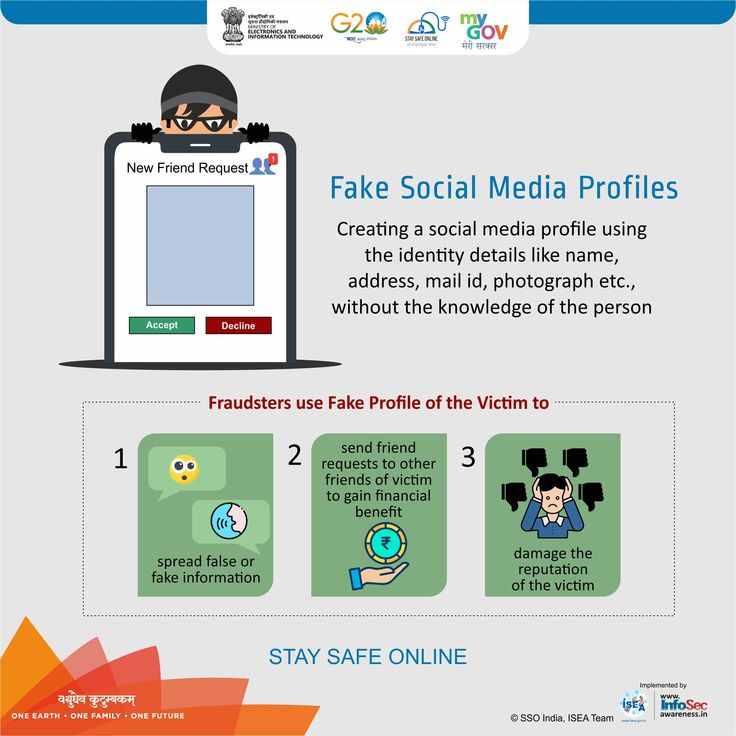

Fake profiles on social media have grown sharply in recent years, with studies showing that a significant portion of accounts on popular platforms may not be genuine. These profiles are often used to spread misinformation, scam users, or manipulate opinions. Knowing how to recognize a fake profile is essential to protect yourself and keep your online space trustworthy.
By learning the key signs of fake profiles, you can avoid falling victim to scams or misleading content. It also helps maintain the integrity of your social connections and prevents the spread of false information. Staying aware is the first step toward a safer social media experience.
Common Signs of a Fake Profile
Spotting a fake profile isn’t always straightforward, but certain patterns tend to stand out. These clues help you quickly identify accounts that might not be what they appear to be. When you keep an eye on details like images, usernames, content quality, and how a profile interacts with others, you can make smarter choices about who to trust online.
Profile Picture Issues
Fake profiles often rely on stolen or stock photos to appear real. These images may look professional or overly polished, but they don’t belong to the person behind the account. One quick way to check is by using a reverse image search. Tools like Google Images or TinEye let you upload a photo and see where else it appears online. If the same image pops up on multiple unrelated sites, chances are the profile is fake. Genuine profiles tend to use personal photos taken in different contexts or show a variety of images over time.
Suspicious Username and Bio
Usernames on fake profiles often look random, like a string of numbers and letters, or they may be unusually perfect, hinting at automated creation. Bios that lack any personal details or are overly vague can also raise red flags. For example, a bio that only contains generic phrases or promotional messages without mentioning anything about the person’s interests, location, or background likely belongs to a fake profile. Trustworthy accounts usually have bios that reveal some personality or real-life information.
Limited or Poor Content
Look closely at the posts and updates. Fake profiles tend to share very few posts, or their content feels generic and disconnected from the profile’s claimed identity. For instance, a profile claiming to be a professional photographer but only posting random quotes or unrelated memes is suspicious. Another common sign is recycled content or posts that seem copied from other sources. Real users generally create varied, authentic content that reflects their interests, experiences, or work.
Unusual Interaction Patterns
Fake profiles often have strange patterns in how they interact with others. They might have an unbalanced follower-to-following ratio, such as following thousands of people but having very few followers themselves. Genuine profiles usually show a more natural balance. Also, fake accounts rarely receive meaningful comments or conversations; instead, you might notice generic responses or none at all. Excessive promotional posts or frequent spammy messages sent to followers further indicate a fake profile.
If you want to dive deeper into how to spot fake social media profiles like a pro, Norton’s guide on recognizing fake profiles provides practical tips that complement these signs.
Recognizing these common indicators will help you steer clear of fake profiles that clutter social media and protect your online interactions.
Verification Techniques to Identify Fake Profiles
Knowing the signs of a fake profile is a great start, but verifying the authenticity takes you a step further in protecting yourself online. When you come across a suspicious account, several practical methods and tools can help you confidently decide if it’s genuine or fake. These verification techniques focus on examining key profile elements and activity patterns to reveal inconsistencies common to fake profiles.
Reverse Image Search for Photos
One of the simplest and most effective ways to check if a profile picture is genuine is to perform a reverse image search. This lets you see if the photo appears elsewhere on the web, which often means it’s stolen or reused from another source. Here’s how you can do it:
- Save the profile picture or copy its URL.
- Use free tools like Google Images or TinEye.
- Upload the photo or paste the URL into the search bar.
- Review the results to see if the image is linked to other websites, profiles, or stock photo collections.
If you find the same photo on multiple unrelated accounts or websites, it’s a strong signal the profile could be fake. Real users typically have unique or personal images that don’t show up widely.
Reviewing Friends and Followers
The people connected to a profile can reveal a lot about its authenticity. Fake profiles often have unusual or sparse connections, while genuine users tend to have mutual friends or followers from their real-life network. To spot fake profiles by reviewing friends and followers:
- Check for mutual friends or followers you recognize.
- Look at the quality of connections—are they active and real profiles?
- Be cautious if the profile has hundreds or thousands of followers but very few mutual contacts or interactions.
- Notice if the followers seem random or are mostly other suspicious accounts.
A profile with no or very few real connections is a red flag. Genuine profiles usually have a natural social graph that matches their claimed identity.
Analyzing Post History and Activity
A profile’s timeline reveals its story. Fake accounts often have inconsistent or sparse post histories. Here’s what to look for:
- Frequency of posts: Are there long gaps or sudden bursts of activity?
- Type of content: Does the content match the profile’s claimed identity or interests?
- Engagement: Are there likes, comments, or shares from real users, or does it seem empty or robotic?
- Originality: Are posts copied from other sources, or do they reflect personal experiences?
Real profiles usually show steady activity over time and genuine interactions. Fake profiles might post repetitive or unrelated content, or they may lack meaningful engagement.
Use Official Verification Features
Most social media platforms offer verification badges or tools to confirm an account’s legitimacy. These features are especially common for public figures, brands, and businesses, but they provide a clear sign of authenticity when present. Here’s how to use them:
- Look for the blue checkmark or verification badge near the profile name.
- Use platform-specific tools or settings that help verify accounts.
- Be aware that the absence of a badge doesn’t always mean a profile is fake, but it is a valuable trust indicator.
Platforms like Twitter, Facebook, and Instagram explain their verification process in their help sections, which you can explore for more details.
By combining these verification techniques, you can confidently spot fake profiles and protect your social media experience. For additional insights on verifying profiles, this guide on verifying social media profiles and pages offers practical steps and checks you can apply.
If you want to learn more about spotting fake profiles using technology and tools, Cyabra’s blog on identifying fake social media profiles provides a solid overview of current methods.
These techniques make it harder for fake profiles to fool you and help keep your online environment safe.
Common Motives Behind Creating Fake Profiles
Fake profiles are not just random accounts; they serve specific purposes that often harm others. Understanding why these profiles exist helps you stay alert and avoid falling into traps set by these deceptive accounts. Most fake profiles are created with clear intentions that range from financial gain to manipulating public opinion. Here’s a closer look at the main reasons behind their creation.
Financial Scams and Fraud
One of the most common motives for creating fake profiles is to trick users into financial scams. These accounts might pose as trustworthy individuals or even professionals to gain your confidence. Once they establish trust, they push for money transfers, fake investments, or request sensitive information like bank details or passwords. The scammer’s goal is to steal your money or exploit your financial information without raising suspicion.
For example, a fake profile might pretend to be a long-lost friend or a potential business partner, slowly building a relationship that leads to requests for money or sensitive data. Such scams happen frequently on social media, making it crucial to verify profiles carefully before sharing any personal or financial information.
Spreading Misinformation and Propaganda
Fake profiles are also widely used to spread false information or promote biased opinions. These accounts can flood social media with misleading news, conspiracy theories, or exaggerated claims designed to shape public opinion. They act like puppets in a larger scheme to influence elections, social movements, or public sentiment.
By multiplying the reach of misinformation, fake profiles create a distorted view of reality. This tactic confuses people, divides communities, and undermines trust in reliable sources. When you see suspicious messages or news being shared repeatedly by new or unknown profiles, chances are misinformation is at play.
Identity Theft and Privacy Breaches
Some fake profiles are created by cybercriminals aiming to steal identities and invade privacy. These profiles might copy real users’ photos and personal information to trick others into thinking they are someone else. This impersonation can damage the real person’s reputation, as fraudulent activities or controversial posts get linked back to the genuine individual.
Identity theft through fake profiles also exposes victims to further privacy breaches. For example, scammers might use the fake accounts to contact friends or colleagues, phishing for more information or access. This creates a chain of breaches that can cause serious harm to real users both online and offline.
Understanding these motives helps you stay cautious when interacting with unknown profiles. Always question the intent behind a profile’s behavior, especially if it fits any of these patterns. For more details on why fake profiles exist and how they work, you can check out this informative article on Why Do People Make Fake Profiles?.
Recognizing these motives strengthens your ability to spot fake profiles early and avoid potential risks tied to them.
Protecting Yourself from Fake Profiles on Social Media
When dealing with fake profiles, prevention is your best defense. It’s not just about spotting the red flags but also about building habits that keep you one step ahead. Social media platforms offer tools and settings designed to protect you, but they only work if you use them wisely. Here’s how you can take control and reduce your risk.
Be Skeptical and Verify Before Trusting
It’s tempting to accept every friend request or respond quickly to new messages, especially when they come from seemingly friendly profiles. But a healthy dose of skepticism can save you a lot of trouble. Before accepting requests or engaging with someone new:
- Look for inconsistencies in their profile details or activity.
- Perform a quick verification, like reverse image searches on their profile pictures.
- Ask yourself if the profile seems real or if it raises any doubts based on what you’ve learned about fake profiles.
- Take your time. There’s no rush to connect.
Demanding proof or additional details is not rude; it’s smart. This step is your first line of defense against fake profiles trying to gain your trust.
Privacy Settings and Information Sharing
Controlling what you share and who can see it limits the chances of fake profiles accessing your data or using it against you. Tightening your privacy settings is an effective way to reduce exposure:
- Set your profiles to private wherever the option exists.
- Limit information such as your phone number, email, or location.
- Avoid posting details like your daily routine, travel plans, or sensitive personal information.
- Regularly review who can see your posts and adjust as needed.
Think of your privacy settings as your personal fence—make sure it’s sturdy enough to keep unwanted visitors out. For practical advice on protecting your social media accounts, this guide on ways to better protect yourself offers useful tips.
Report and Block Suspicious Profiles
When you encounter fake or suspicious profiles, don’t ignore them. Reporting and blocking these users helps protect you and others in your network:
- Use the platform’s built-in reporting tools to flag fake profiles.
- Block accounts that send spammy or suspicious messages.
- Encourage your friends to do the same if they notice questionable profiles.
Reporting fake profiles helps social platforms act faster to remove them. This simple action reduces the overall risk of scams or misinformation spreading. Platforms often review reported accounts promptly to keep the community safer.
Stay Updated on Social Media Security Tips
Social media threats evolve quickly. Staying informed about the latest security advice keeps you prepared:
- Follow trusted sources that specialize in online safety and privacy.
- Keep an eye on platform updates related to security features.
- Subscribe to newsletters or blogs that focus on protecting your online identity.
Security isn’t a one-time setup. It’s an ongoing process that requires attention. For more comprehensive advice on protecting yourself from fake social media profiles, you can also check out this resource on how to protect yourself from fake social media profiles.
By combining these habits, you reduce your chances of falling victim to fake profiles and maintain a safer social media experience that you control.
Conclusion
Recognizing a fake profile is essential to protect your personal security and improve your overall social media experience. Being alert to common signs, verifying profiles, and understanding their motives gives you control over who you interact with online. These steps help build a safer, more trustworthy environment for everyone.
Apply these tips consistently and share the knowledge with your friends and family. Together, we can reduce the reach of fake profiles and keep social media a space for genuine connection and reliable information. Your vigilance makes a difference.

Leave a Comment