
**Title: RGB Mini-LED Technology: The Future of TVs from Samsung, Sony, and Hisense**
In the ever-evolving television industry, RGB Mini-LED technology is gaining significant attention. Major manufacturers like Samsung, Sony, and Hisense are heavily investing in this innovative technology, which has the potential to redefine image quality and surpass even the best OLED screens.
This article explores what RGB Mini-LED is, how it works, its advantages over existing technologies, and how leading brands are implementing it in their models.
**What is RGB Mini-LED?**
RGB Mini-LED technology represents the next step in LED backlighting for televisions. While traditional Mini-LEDs have already improved image quality through thousands of tiny diodes enhancing contrast and brightness, RGB Mini-LED takes it further.
Unlike standard Mini-LED displays, which use white LED lighting filtered for color, RGB Mini-LED screens feature individually controlled red, green, and blue LEDs. This allows for more accurate color reproduction, a wider spectrum, and enhanced precision in image display.
**Key Advantages of RGB Mini-LED:**
– **Wider Color Coverage:** RGB Mini-LED TVs can achieve nearly perfect color accuracy, covering between 95% to 100% of the BT.2020 international standard.
– **Brightness and Contrast:** This technology offers exceptional brightness, exceeding 4000 nits and, in some cases, reaching over 5000 nits, far surpassing OLED televisions.
– **Control of Shades and Color Depth:** The independent control of LEDs results in more pronounced contrast and better color balance across both dark and light image areas.
**Implementation by Leading Manufacturers:**
**Samsung Micro RGB TV**
Samsung is a pioneer in RGB Mini-LED technology with its Micro RGB variant. Featuring a massive 115-inch screen priced at nearly $30,000, this model promises complete BT.2020 standard coverage, making it the most accurate color display on the market. It also includes the advanced Vision AI software platform for optimized image quality and a matte screen suitable for bright environments.
**Hisense RGB Mini-LED**
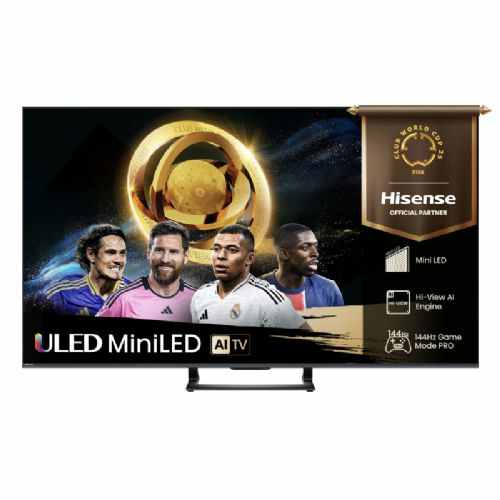
Hisense introduced RGB Mini-LED technology under the name TriChroma LED and continues to impress with models like the 116UX, which costs around $30,000 and boasts brightness exceeding 5000 nits. They also offer a smaller, 100-inch model priced at $20,000, both delivering top-tier color precision and brightness.
**Sony RGB LED (Bravia 10)**
Sony is gradually developing its version of RGB Mini-LED technology, with plans to unveil its model in 2026. It aims for up to 90% BT.2020 standard coverage and brightness around 4000 nits, positioning its TVs among the best in image quality. While branding details remain unclear, Sony is poised to carve out its niche in the RGB Mini-LED market.
**Conclusion**
RGB Mini-LED technology promises to revolutionize television viewing with its superior color accuracy and brightness. As leading brands invest in this innovation, consumers can expect more advanced and accessible options in the near future.
**FAQ**
**What is RGB Mini-LED technology?**
RGB Mini-LED is an advanced display technology that uses individually controlled red, green, and blue LEDs to enhance color accuracy and brightness.
**How does RGB Mini-LED compare to OLED?**
RGB Mini-LED offers higher brightness levels and potentially better color coverage, making it a strong competitor to OLED technology.
**Which companies are leading the RGB Mini-LED market?**
Samsung, Hisense, and Sony are currently the key players investing in and developing RGB Mini-LED technology.
**When can we expect more affordable RGB Mini-LED TVs?**
While high-end models are currently available, it is anticipated that more affordable options will emerge as the technology matures and production scales up.


Leave a Comment