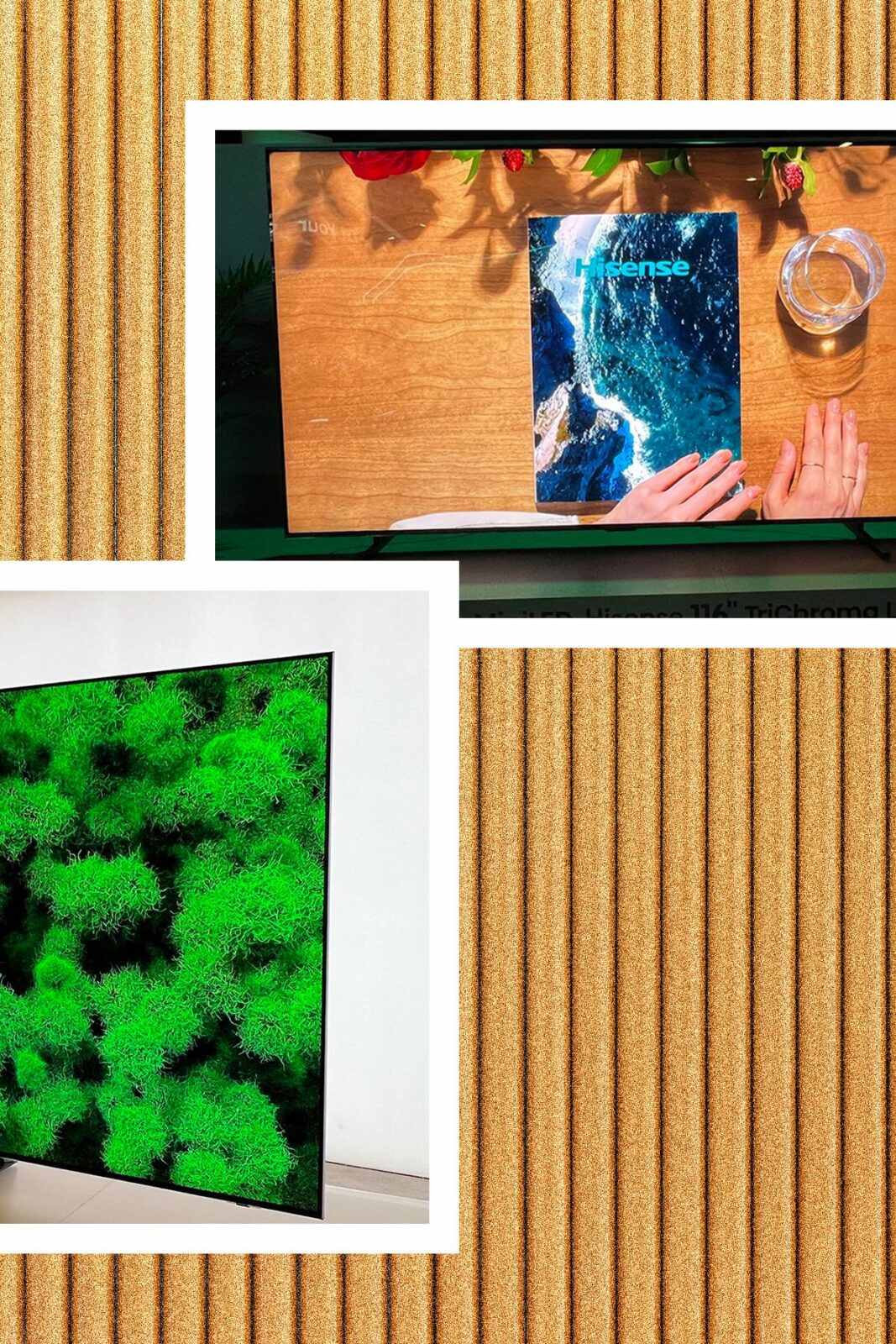

In the ever-evolving world of televisions, RGB Mini-LED technology is currently at the forefront of innovation. Major manufacturers such as Samsung, Sony, and Hisense are heavily investing in this advanced technology, which promises to set new standards for picture quality, potentially surpassing even the best OLED screens.
This guide will explore what RGB Mini-LED is, how it works, its advantages over existing technologies, and how leading manufacturers are integrating it into their models.
What is RGB Mini-LED?
RGB Mini-LED technology represents the next step in LED backlighting for televisions. While traditional Mini-LED has already transformed image quality through thousands of tiny LEDs that enhance contrast and brightness, RGB Mini-LED takes it further.
Unlike standard Mini-LED displays that use white LED lighting with color filters, RGB Mini-LED screens feature separate red, green, and blue LEDs that can be controlled individually. This capability allows for more accurate color reproduction, a wider color spectrum, and improved image precision.
Key Advantages of RGB Mini-LED:
– **Wider Color Coverage:** RGB Mini-LED TVs can achieve near-perfect color accuracy with coverage ranging from 95% to 100% according to the international BT.2020 standard.
– **Brightness and Contrast:** This technology offers exceptionally high brightness, exceeding 4000 nits, and in some models, over 5000 nits, significantly higher than OLED TVs.
– **Shade Control and Color Depth:** Independent LED control enables enhanced contrast and better color balancing in both dark and bright areas of the image.
How Leading Manufacturers Implement RGB Mini-LED
**Samsung Micro RGB TV**
Samsung leads the development of RGB Mini-LED technology with its Micro RGB variant. Their model features a massive 115-inch display priced at nearly $30,000. Samsung claims full compliance with the BT.2020 standard, making it the most precise color display currently available.
Equipped with the advanced Vision AI software platform, this TV optimizes picture quality and user experience. Its matte screen is perfect for bright environments, avoiding unwanted reflections.
**Hisense RGB Mini-LED**
Hisense was among the first to introduce RGB Mini-LED under the name TriChroma LED, continuing to impress with their latest models. Their largest TV, the 116UX, surpasses Samsung’s in size, also priced around $30,000.
This model boasts brightness exceeding 5000 nits, setting a record in the industry. Hisense also offers a smaller 100-inch model for approximately $20,000, maintaining luxury features with exceptional color and brightness.
**Sony RGB LED (Bravia 10)**
Sony is gradually developing its version of RGB Mini-LED technology, with plans to unveil its model in 2026. They promise up to 90% coverage of the BT.2020 standard and brightness around 4000 nits, placing their TVs in the top tier for image quality. Specific branding details are still under wraps, but Sony aims to carve out its niche in the RGB Mini-LED market.
When Can We Expect More Affordable RGB Mini-LED TVs?
As the technology develops and production scales up, we may see more affordable RGB Mini-LED options in the future.
FAQs
What is RGB Mini-LED technology?
RGB Mini-LED technology enhances television picture quality using individually controlled red, green, and blue LEDs for better color accuracy.
How does RGB Mini-LED compare to OLED?
RGB Mini-LED generally offers higher brightness levels and potentially better color accuracy, making it a strong competitor to OLED technology.
Which brands are currently leading in RGB Mini-LED television technology?
Samsung, Hisense, and Sony are the leading manufacturers investing in RGB Mini-LED technology, each offering unique features in their models.
When will more affordable RGB Mini-LED TVs be available?
While current models are luxury items, advancements in technology and production may lead to more budget-friendly options in the future.

Leave a Comment