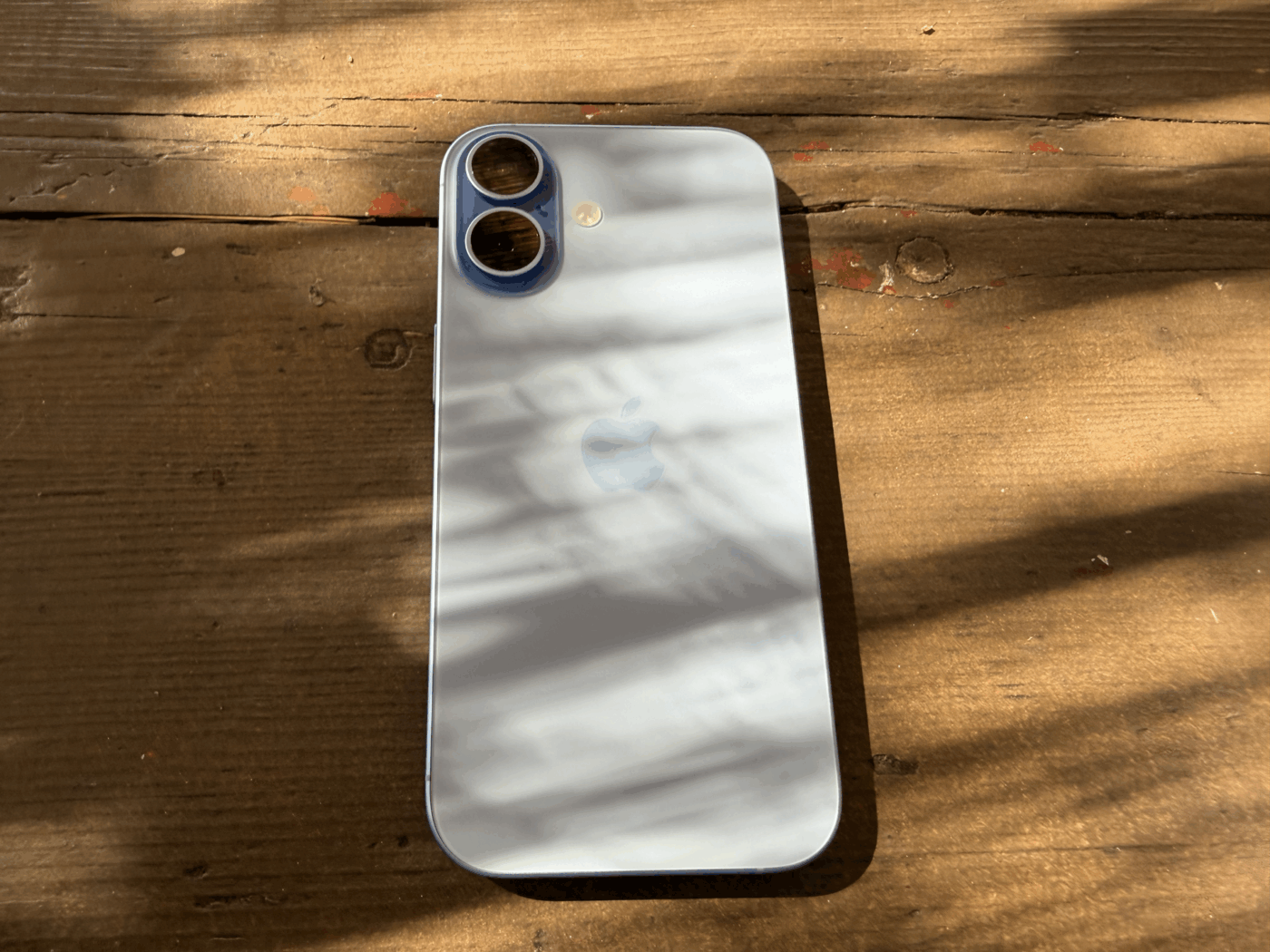

Title: iPhone 17 Review: A Closer Look at the New iPhone with Enhanced Specs, Brighter Display, and Advanced Cameras
Apple unveiled the iPhone 17 on September 9, 2025, introducing several enhancements that, while not groundbreaking for recent model users, are likely to appeal to those who have delayed upgrading. The iPhone 17 boasts notable improvements in performance, camera quality, and display, while remaining a more budget-friendly option compared to the Pro versions and the new iPhone Air.
When Will iPhone 17 Be Available and What Is Its Price?
The iPhone 17 will officially be available on September 19, 2025, with pre-orders starting on September 12. The base model with 256 GB of storage is priced at $799, consistent with the starting price of the iPhone 16 from last year. The 512 GB variant costs $999. This model is positioned as the most affordable option in Apple’s lineup, with the iPhone Air starting at $999, the iPhone 17 Pro at $1,099, and the Pro Max at $1,199, making the standard iPhone 17 an attractive choice for those seeking quality at a reasonable price.
Design and Display – Subtle Changes, Significant Innovations
The iPhone 17’s design shows minimal differences from its predecessor, primarily in its camera layout. Instead of diagonal lenses in a square block, the camera is now arranged vertically in an oval shape on the top left of the back, lending a more modern appearance.
The display has increased to a 6.3-inch screen from 6.1 inches, and ProMotion technology has been introduced, allowing for a refresh rate range of 1 Hz to 120 Hz for better battery efficiency. Previous standard models were limited to a 60 Hz refresh rate.
Additionally, a new Ceramic Shield 2 layer enhances scratch and break resistance, improving device durability. The maximum brightness has also increased to 3,000 nits, up from 2,000, resulting in better visibility in bright conditions. The iPhone 17 comes in five appealing colors: lavender, light blue, dark gray, silver-white, and green.
Camera and Photography Enhancements
The iPhone 17’s camera system has seen substantial upgrades. The main camera now features a 48-megapixel sensor, as does the ultrawide camera, a significant upgrade from last year’s 12-megapixel setup.
Apple has introduced “dual fusion” technology, allowing users to take 48-megapixel photos or use a digital 2x zoom without losing quality at 24 megapixels. This means users can capture clear, detailed images suitable for professional use or large prints.
The front camera has also improved, now equipped with an 18-megapixel sensor and a Center Stage feature that tracks and focuses on users during video calls. Image stabilization and video quality have been enhanced, making it ideal for FaceTime and other video platforms, especially while on the move.
Performance and Software Upgrades
While the Pro models feature the A19 Pro processor, the standard iPhone 17 is powered by the A19 chip, which is 20% faster than the previous iPhone 16’s processor. Built on a 3-nanometer process, the A19 chip ensures lower energy consumption and enhanced performance.
In conclusion, the iPhone 17 offers substantial improvements in various aspects, making it a compelling option for users seeking a solid smartphone experience without breaking the bank.
FAQ
What are the key features of the iPhone 17?
The iPhone 17 includes a 6.3-inch display with ProMotion technology, enhanced 48-megapixel cameras, and an A19 chip for improved performance.
When will the iPhone 17 be available for purchase?
The iPhone 17 will be available starting September 19, 2025, with pre-orders beginning on September 12.
How much does the iPhone 17 cost?
The starting price for the iPhone 17 with 256 GB is $799, while the 512 GB model is priced at $999.
What colors are available for the iPhone 17?
The iPhone 17 comes in lavender, light blue, dark gray, silver-white, and green.
What improvements have been made to the camera?
The main and ultrawide cameras both feature 48-megapixel sensors, with new technologies for better photography and video capabilities.


Leave a Comment