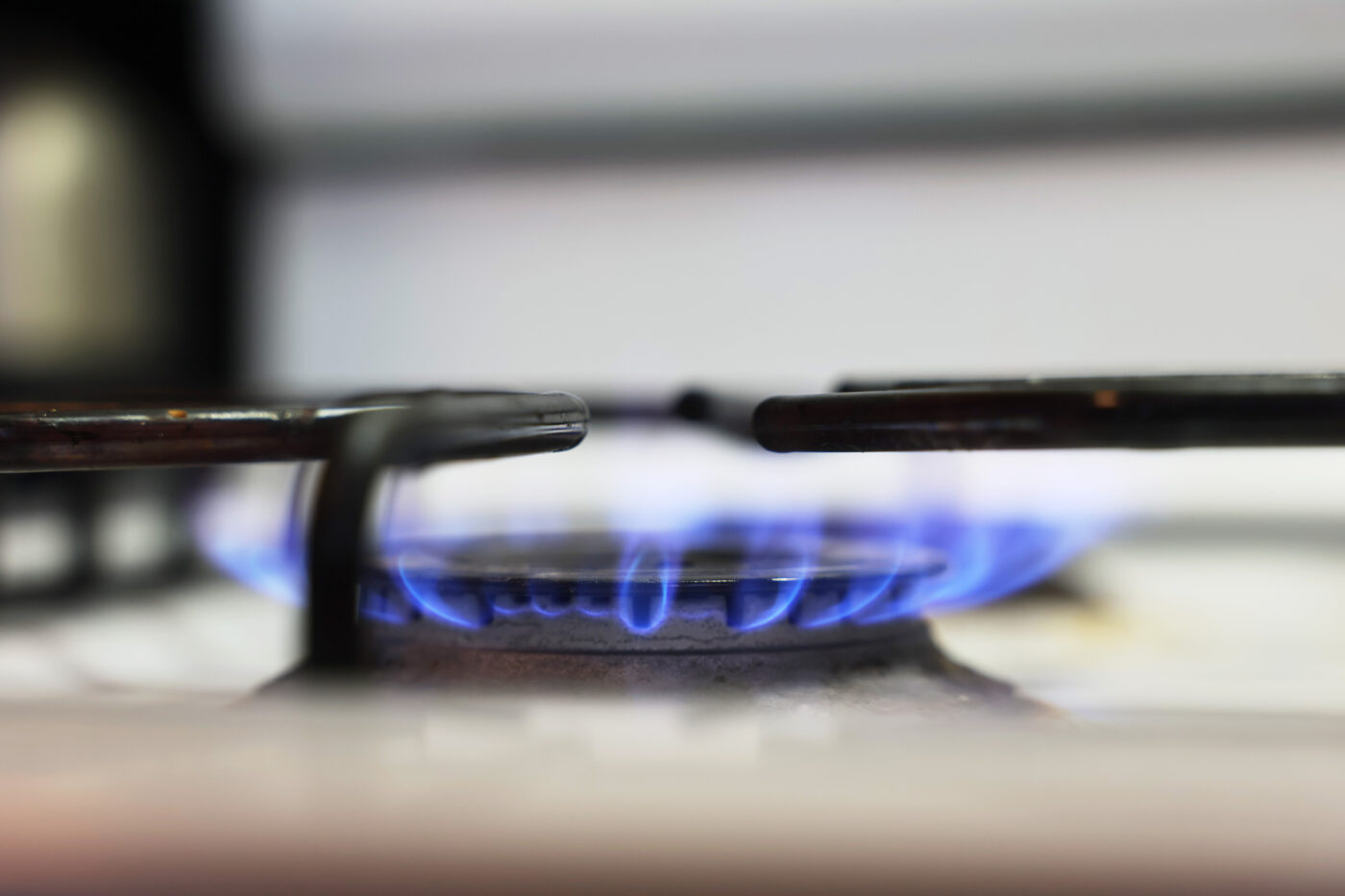

In recent years, the debate surrounding gas stoves has intensified, particularly in New York, where a proposed ban has encountered significant hurdles. For many chefs and cooking enthusiasts, gas stoves are often regarded as superior to their electric counterparts. According to the U.S. Energy Information Administration, approximately 40% of American households still rely on gas stoves for cooking. The preference for gas stems from its ability to provide precise temperature control and rapid heat adjustments, making it a favorite among culinary professionals. Additionally, gas stoves cool down more quickly, facilitating easier cleaning, and they can be more cost-effective if a home is already equipped with a gas line.
However, concerns about safety and environmental impact have sparked a growing movement against gas stoves. Critics argue that unvented gas stoves can contribute to indoor air pollution, while environmental advocates highlight the role of natural gas in greenhouse gas emissions. Although no state has fully banned gas stoves yet, California has seen legal battles over the issue, with a 2019 ban being overturned in 2023. Now, New York is stepping into the spotlight with its own legislative efforts.
The All Electric Building Act, passed in 2023, aimed to prohibit natural gas hookups in all buildings under seven stories, with the ban set to take effect on January 1, 2026. However, just weeks before this deadline, state officials announced a temporary suspension of the law. This article delves into the details of the All Electric Building Act, the reasons behind its pause, and the potential future of this controversial legislation.
Understanding the All Electric Building Act
The All Electric Building Act represents New York’s proactive approach to combat climate change. The New York State Assembly has characterized the act as a “forward-thinking addition to our state’s commitment to a greener future.” The Assembly emphasizes that climate change is already impacting key industries in New York, including agriculture, fishing, and tourism.
The primary goal of this legislation is to reduce greenhouse gas emissions by mandating that newly constructed residential buildings of seven stories or fewer, as well as commercial buildings exceeding 100,000 square feet of conditioned floor space, utilize electric heating and appliances instead of gas. The act also outlines plans to extend these requirements to taller residential buildings and smaller commercial spaces starting in 2029.
Key Exemptions and Provisions
The All Electric Building Act includes several notable exemptions aimed at addressing concerns from various stakeholders:
- Existing Buildings: The law does not apply to buildings that are already in use, allowing current gas appliances to remain operational.
- Specific Facilities: Hospitals, doctors’ offices, restaurants, factories, and agricultural buildings are exempt from the ban.
- Replacement Appliances: Consumers replacing gas appliances are permitted to purchase new gas appliances, providing flexibility during the transition.
Despite these exemptions, the legislation faced legal challenges from builders and trade organizations. Although they initially lost their case, they appealed the decision, prompting the state to pause the implementation of the ban while the appeals process unfolds.
Reasons for the Suspension of the Ban
The decision to temporarily suspend the All Electric Building Act has sparked a mix of reactions among lawmakers and environmental advocates. Some lawmakers, including those who support the ban, have expressed concerns that the timeline for implementation was overly ambitious. Governor Kathy Hochul’s office stated that the delay would allow for the strengthening of legal defenses and provide builders with time to adapt to the upcoming changes.
Environmental activists have voiced disappointment over the pause, arguing that it undermines efforts to address climate change. They contend that the transition to electric appliances is crucial for reducing emissions and improving indoor air quality. The suspension has also raised questions about the future of the legislation and whether it will ultimately be enacted.
Potential Implications of the Ban
The All Electric Building Act, if fully implemented, could have significant implications for various stakeholders:
- Builders and Developers: The ban would require adjustments in construction practices and may increase costs associated with building electric-ready structures.
- Consumers: Homeowners may face higher upfront costs for electric appliances, although long-term savings on energy bills could offset these expenses.
- Environmental Impact: Transitioning to electric appliances could lead to a reduction in greenhouse gas emissions, contributing to New York’s climate goals.
As the state navigates these challenges, the future of the All Electric Building Act remains uncertain. The ongoing legal battles and public discourse surrounding gas stoves will likely shape the trajectory of this legislation.
Comparative Perspectives on Gas vs. Electric Stoves
The debate over gas and electric stoves is multifaceted, with both sides presenting compelling arguments. Understanding the advantages and disadvantages of each option can help consumers make informed decisions.
Advantages of Gas Stoves
- Temperature Control: Gas stoves provide immediate heat adjustments, allowing for precise cooking.
- Cost-Effectiveness: In areas with existing gas lines, gas stoves can be more affordable to install and operate.
- Cooling Time: Gas burners cool down quickly, making them easier to clean after use.
Disadvantages of Gas Stoves
- Indoor Air Quality: Gas stoves can release pollutants that may affect indoor air quality.
- Environmental Concerns: The use of natural gas contributes to greenhouse gas emissions, raising environmental concerns.
Advantages of Electric Stoves
- Safety: Electric stoves eliminate the risk of gas leaks, enhancing safety in the kitchen.
- Energy Efficiency: Electric appliances are often more energy-efficient, leading to potential cost savings over time.
- Cleaner Cooking: Electric stoves do not produce combustion byproducts, contributing to better indoor air quality.
Disadvantages of Electric Stoves
- Heat Control: Electric stoves may take longer to adjust to temperature changes, which can be a drawback for some cooks.
- Initial Costs: The upfront cost of electric appliances can be higher, especially for high-quality models.
Future Outlook for Gas Stoves in New York
As of 2026, the future of gas stoves in New York remains uncertain. The temporary suspension of the All Electric Building Act has created a pause in the legislative process, but discussions about the environmental impact of gas appliances continue to gain traction. The latest research indicates that transitioning to electric appliances could significantly reduce greenhouse gas emissions, aligning with broader climate goals.
In the coming years, it will be essential for lawmakers, builders, and consumers to engage in constructive dialogue about the implications of gas versus electric cooking. As technology advances and public awareness of environmental issues grows, the landscape of cooking appliances may continue to evolve.
Frequently Asked Questions (FAQ)
What is the All Electric Building Act?
The All Electric Building Act is a New York law aimed at reducing greenhouse gas emissions by requiring newly constructed residential and commercial buildings to use electric heating and appliances instead of gas.
Why was the implementation of the gas stove ban paused?
The implementation was paused to allow for legal appeals from builders and to give lawmakers time to strengthen legal defenses and address concerns about the timeline for the ban.
What are the environmental concerns associated with gas stoves?
Gas stoves can contribute to indoor air pollution and greenhouse gas emissions, raising concerns about their impact on both health and the environment.
Are there exemptions to the All Electric Building Act?
Yes, the act includes exemptions for existing buildings, hospitals, restaurants, and other specific facilities, allowing them to continue using gas appliances.
What are the advantages of electric stoves over gas stoves?
Electric stoves offer enhanced safety, energy efficiency, and cleaner cooking, as they do not produce combustion byproducts.
As the conversation around gas and electric stoves continues, it is crucial for consumers to stay informed about the evolving regulations and the potential impact on their cooking choices.


Leave a Comment