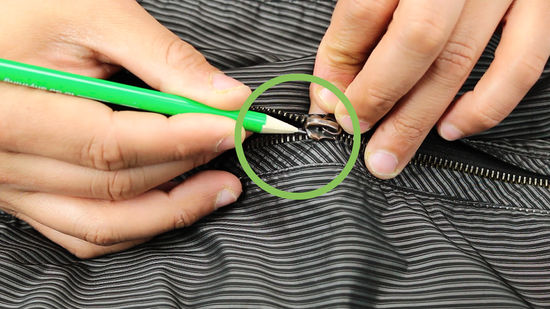

When you’re camping in the wilderness or enjoying a weekend getaway, encountering a stuck tent zipper can be frustrating and disruptive. It’s natural to assume that spraying a quick dose of WD-40 will solve the problem instantly. However, in the world of outdoor gear maintenance, many seasoned campers and experts advise against relying on WD-40 for zipper issues. Despite its widespread reputation as a lubricant and rust remover, WD-40 may do more harm than good when applied to tent zippers, which are often made of or surrounded by plastic components. This comprehensive guide explores why WD-40 shouldn’t be your go-to solution and offers alternative strategies to keep your tent zipper operating smoothly. We will also delve into preventive maintenance techniques, common mistakes to avoid, and best practices for long-term zipper care — all essential knowledge for outdoor enthusiasts, campers, and adventure travelers.
Understanding Why WD-40 Is Unsuitable for Tent Zippers
The Composition of Tent Zippers and Why WD-40 Can Harm Them
Most tent zippers are not made of metallic components like the zippers seen on clothing or equipment. Instead, they often feature plastic teeth, sliders, or tape that are sensitive to certain chemicals. WD-40, which stands for Water Displacement, 40th formula, is primarily an oil-based lubricant that penetrates rust and loosens seized metal parts. While this property makes it useful for automotive or machinery applications, it is not ideal for tent zippers.
Applying WD-40 to tent zippers introduces several risks. The oil-based formula can leave a greasy film that attracts dirt, dust, and other debris. Over time, this buildup complicates future zipper operations and may cause the zipper to jam again. Additionally, the oil can seep into fabric fibers, darkening or weakening the material, degrading the tent’s overall integrity. Repeated use can even lead to discoloration or the development of a sticky residue, making it harder to maintain the tent’s appearance and function.
Fire Hazards and Environmental Concerns
WD-40 is highly flammable, and using it in outdoor settings—especially near campfires or open flames—poses significant safety risks. Its flammability can also lead to accidental ignition, risking injury or damage to your camping gear. Furthermore, chemical residues from WD-40 can contaminate the environment, harming local ecosystems and wildlife. For these reasons, outdoor safety and environmental responsibility strongly advise against their use for tent maintenance.
Why Real-World Campers and Outdoor Experts Recommend Alternatives
Many experienced campers and outdoor gear specialists emphasize that safe and effective zipper lubrication involves products specifically designed for zippers or natural solutions. These alternatives are less likely to cause damage, are environmentally friendly, and provide longer-lasting results. Understanding these options is essential to prolong your tent’s lifespan and ensure smooth operation during your trips.
Effective Alternatives to WD-40 for Stubborn Tent Zippers
Using Natural and Safe Lubricants
- Bar of Soap: Rubbing a dry bar soap along the zipper teeth creates a smooth surface that reduces friction. This method is simple, inexpensive, and gentle on the fabric and plastic components.
- Candle Wax and Lip Balm: Melting wax from a candle or applying petroleum jelly-based lip balm provides a slippery coating that helps release a stuck zipper. Carefully apply a small amount to avoid mess or over-lubrication.
- Specialized Zipper Lubricants: Commercially available zipper lubes and sprays are designed for outdoor equipment. Products like zipper wax sticks or silicone sprays form an effective, durable coating that makes zippers glide effortlessly.
Step-by-Step Guide to Proper Lubrication
- Clean the Zipper: Before applying any lubricant, remove dirt, dust, and debris using a small brush or toothbrush dipped in warm water mixed with mild detergent. Gently scrub along the zipper track.
- Dry the Area: Pat the zipper dry with a microfiber cloth to prevent trapping moisture, which can cause rust or skin degradation over time.
- Apply the Lubricant: Use soap, wax, or a commercial zipper lubricant sparingly, focusing on the teeth and slider. Avoid over-application, which can attract grime.
- Test the Zipper: Gently operate the zipper a few times to distribute the lubricant evenly.
- Remove Excess: Wipe away any residual lubricant with a clean cloth to prevent dirt buildup.
Why Regular Maintenance Matters
Routine cleaning and lubrication are essential for preventing zipper jams. Regular inspections after each camping trip ensure early detection of wear and tear. Maintaining a supply of specialized zipper lube or a soap bar in your camper kit can save you from hassle in the field.
Preventive Measures to Keep Tent Zippers Functioning Smoothly
Choosing High-Quality Tents with Durable Zippers
Quality counts when it comes to outdoor gear. Investing in tents with heavy-duty, corrosion-resistant zippers made from reliable materials like nylon or polyester ensures durability. Premium tents are less prone to mechanical failure, saving you time and money on repairs.
Proper Handling to Avoid Damage
- Gentle Operation: Always operate zippers gently to prevent teeth from bending or breaking. Avoid tugging forcefully, which can deform the slider or dislodge teeth.
- Avoid Overstretching: Do not stretch or pull on tent fabric around the zipper area unnecessarily, as this can weaken the components.
- Store Your Tent Correctly: Keep your tent stored in a dry, cool place with zippers fully closed or slightly open to prevent warping or deformation.
Regular Cleaning and Inspection
After each camping session, inspect the zipper for dirt, mold, or damage. Clean zipper tracks with warm, soapy water and a soft brush. Check for any missing or bent teeth, and address issues before your next trip.
Use Protective Measures
- Apply a Zipper Cover or Guard: Consider using a fabric flap that covers the zipper when not in use, reducing exposure to dirt, moisture, and debris.
- Store Properly: Keep your tent in a dry, ventilated bag and avoid folding it along the zipper line to minimize stress.
Frequently Asked Questions (FAQs) about Tent Zipper Maintenance
Can I really use WD-40 on my tent zipper?
No, applying WD-40 to tent zippers is not recommended. Its oil-based formula can cause long-term damage by attracting dirt, weakening plastic components, and increasing the risk of fire. Use specialized zipper lubricants or natural solutions instead.
What’s the best way to fix a stuck zipper without damaging the tent?
The safest approach involves cleaning the zipper track with mild soap and water, using a soft brush, then applying a natural lubricant like soap or candle wax. Gently work the zipper back and forth until it moves smoothly. If the zipper is severely damaged, consider professional repair or replacing the zipper.
How often should I lubricate my tent zipper?
Perform maintenance after each camping trip, especially if the tent is exposed to dust or moisture. Regular lubrication every few trips prevents dirt buildup and keeps the zipper functioning smoothly for years.
Are there environmentally friendly zipper lubricants available?
Yes, many eco-friendly products are on the market, often made from natural waxes or silicone-based formulas that are biodegradable and non-toxic, making them ideal for outdoor use.
What maintenance tips can prolong the life of my tent’s zipper?
- Clean the zipper regularly after use.
- Inspect for damage or wear periodically.
- Lubricate with recommended products, avoiding WD-40.
- Handle zippers gently and avoid forcing them.
- Store the tent properly when not in use.
In conclusion, understanding how to properly care for and maintain tent zippers can save you time, money, and frustration during your outdoor adventures. While WD-40 might seem like an easy fix, it’s best to avoid it for tents, opting instead for natural solutions or specialized lubricants designed expressly for outdoor gear. Through regular cleaning, gentle operation, and using quality equipment, you can ensure your tent zippers remain functional and reliable for many camping seasons to come.

Leave a Comment