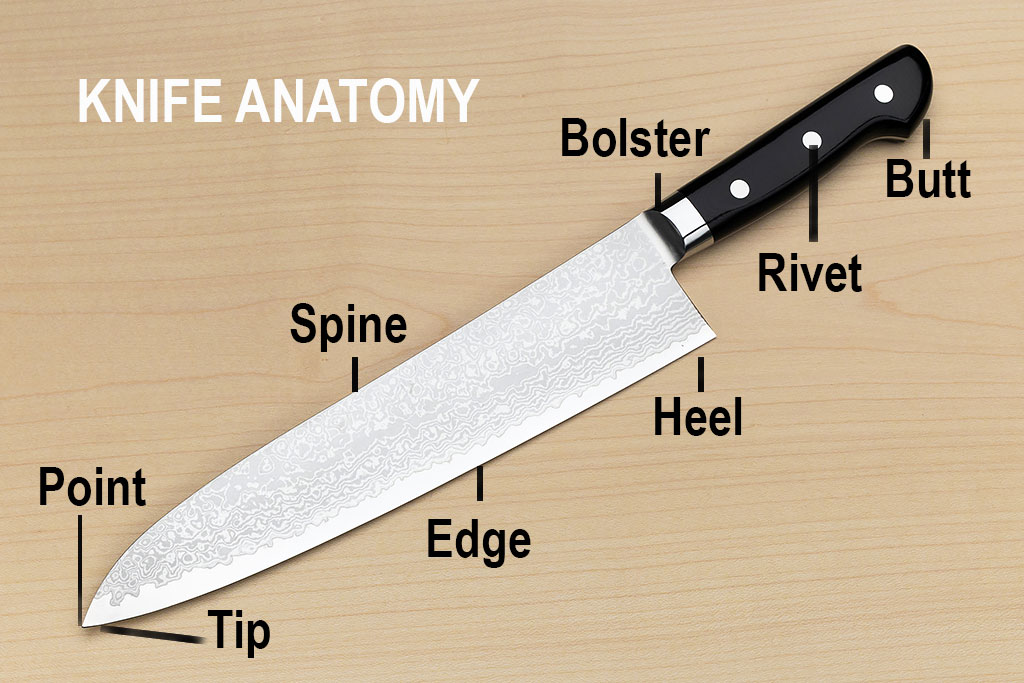

When it comes to knife design, every detail matters, including the often-overlooked hole in the blade. This seemingly simple feature serves multiple functions that enhance the knife’s performance and usability. Understanding the purpose of this hole can deepen your appreciation for these precision tools, whether you’re a professional chef, an outdoor enthusiast, or a casual cook.
Why Do Knife Blades Have Holes?
The presence of a hole in a knife blade can be attributed to several practical reasons. While not all knives feature this design, those that do often benefit from improved functionality. Here are the primary purposes of the hole:
- Weight Reduction: One of the most significant advantages of incorporating a hole in a knife blade is the reduction of weight. A lighter knife is easier to handle, especially during prolonged use.
- Enhanced Balance: Holes can help maintain the knife’s balance, ensuring that it feels comfortable and stable in the hand.
- Improved Maneuverability: A lighter knife allows for quicker movements, making it ideal for tasks that require precision and speed.
- Multi-Functionality: In some designs, the hole can serve as a thumb catch for opening mechanisms, particularly in folding knives.
- Storage Options: The hole can also facilitate hanging the knife for easy storage, particularly in kitchens or workshops.
The Myth of the Blood Groove
Many people associate the grooves or holes in blades with the concept of a “blood groove,” a term often used in discussions about medieval swords. This myth suggests that the groove was designed to prevent suction when stabbing, allowing for easier withdrawal of the blade. However, this is a misconception. The actual purpose of these grooves, including holes in modern knives, is primarily to reduce weight.
In fact, the design of a knife blade, whether it’s a utility knife, pocket knife, or chef’s knife, is focused on precision and efficiency. The incorporation of holes or grooves allows for a balance between strength and weight, making the knife more effective for its intended use.
How Holes Affect Knife Performance
Understanding how holes in knife blades impact performance can help users choose the right knife for their needs. Here are some key factors to consider:
1. Weight and Handling
Reducing the weight of a knife can significantly affect how it feels during use. A lighter knife can lead to less fatigue, especially during repetitive tasks such as chopping or slicing. This is particularly beneficial for chefs who spend long hours in the kitchen.
2. Balance and Control
Balance is crucial for effective cutting. A well-balanced knife allows for better control, making it easier to execute precise cuts. The strategic placement of holes can help achieve this balance, ensuring that the knife feels stable in the hand.
3. Versatility in Use
Knives with holes often offer more versatility. For instance, a hole can serve as a thumb catch, allowing for quick deployment of a folding knife. This feature is especially useful in outdoor or tactical situations where speed is essential.
Common Types of Knives with Holes
Various types of knives incorporate holes in their design. Here are some common examples:
- Folding Knives: Many folding knives feature a hole that allows users to easily open the blade with one hand.
- Utility Knives: These often have holes to reduce weight while maintaining strength for heavy-duty tasks.
- Chef’s Knives: Some chef’s knives include holes to enhance balance and reduce drag when cutting through food.
- Cleavers: Holes in cleavers can serve as hanging points for storage, as well as reducing weight.
Alternative Designs and Their Benefits
While holes are common in many knife designs, there are alternative features that also enhance performance. Here are a few:
1. Full Tang Construction
Knives with a full tang, where the blade extends through the handle, often provide better balance and strength. This design eliminates the need for holes to reduce weight, as the overall structure is already optimized for performance.
2. Hollow Ground Blades
Hollow ground blades feature a concave shape that reduces weight while enhancing sharpness. This design allows for thinner edges, making it easier to cut through materials.
3. Textured Handles
Some knives utilize textured handles to improve grip without the need for holes. This can enhance control and safety during use, particularly in wet conditions.
Conclusion
The hole in a knife blade serves multiple purposes, primarily focusing on weight reduction, balance, and usability. Understanding these features can help users select the right knife for their specific needs, whether for culinary tasks, outdoor adventures, or everyday utility. As knife technology continues to evolve, the design elements that enhance performance will remain crucial in creating effective and reliable cutting tools.
Frequently Asked Questions (FAQ)
What is the main purpose of the hole in a knife blade?
The primary purpose of the hole in a knife blade is to reduce weight, which enhances maneuverability and balance during use.
Do all knives have holes in their blades?
No, not all knives feature holes. Their presence depends on the design and intended use of the knife.
Can the hole in a knife blade affect its cutting performance?
Yes, the hole can improve balance and control, which can enhance cutting performance, especially in precision tasks.
Are there any disadvantages to having a hole in a knife blade?
While there are many advantages, a hole can potentially weaken the blade if not designed properly. However, most reputable knife manufacturers ensure that the integrity of the blade is maintained.
How do I choose the right knife for my needs?
Consider the tasks you will be performing, the weight and balance of the knife, and any specific features like holes or grips that may enhance usability for your intended applications.

Leave a Comment