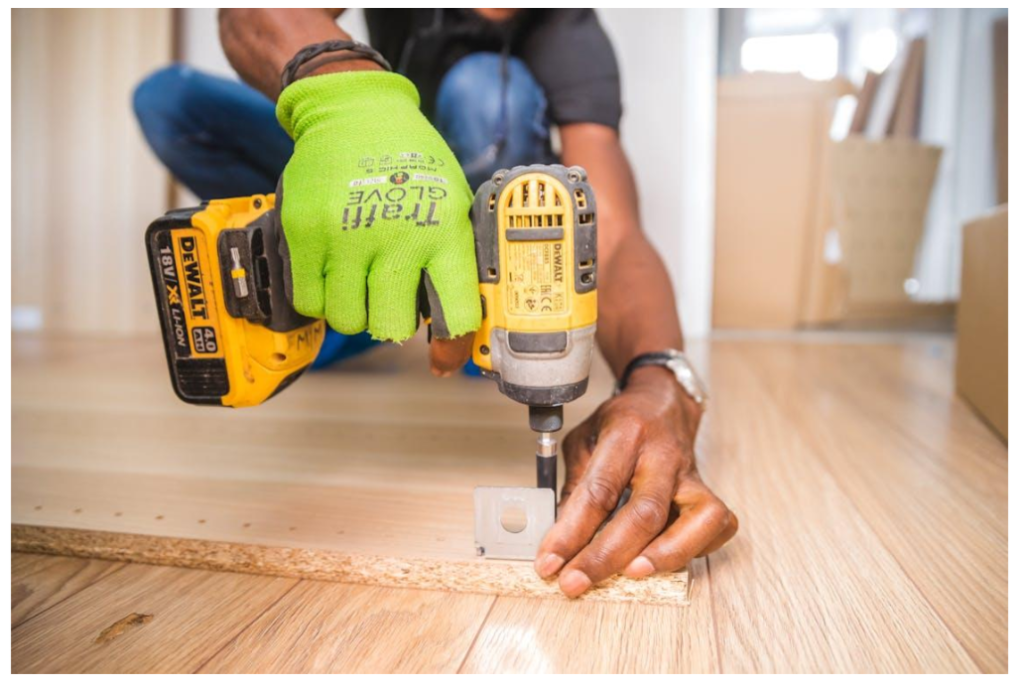

As a budget-conscious DIY enthusiast, I’ve often found myself drawn to the allure of used tools, believing they offer great value. While some tools, particularly hand tools, can be safe and economical to buy second-hand, the same cannot be said for power tools. In fact, purchasing used power tools, especially cordless ones, can lead to a host of problems that may not be immediately apparent. Understanding the risks associated with buying used power tools is crucial for anyone looking to make a smart investment in their toolkit.
Understanding the Risks of Buying Used Power Tools
Power tools are designed to perform specific tasks efficiently, but their complexity can also make them vulnerable to wear and tear. When you buy used power tools, you may unknowingly inherit issues that could compromise their performance and safety. Here are some key reasons to be cautious:
- Hidden Damage: Many power tools can appear to be in good condition on the surface, but internal components may be worn out or damaged.
- Battery Issues: Cordless power tools rely heavily on batteries, which can degrade over time. A tool may work perfectly during a quick test but fail to hold a charge later.
- Lack of Warranty: Most used power tools are sold as-is, meaning you have no recourse if they malfunction shortly after purchase.
- Price Discrepancies: Often, used power tools are priced similarly to new ones, making it difficult to justify the purchase.
Why Cordless Power Tools Are Particularly Risky
Cordless power tools, such as drills and saws, are convenient and versatile, but they come with unique challenges when bought used. The main concern is the battery. Unlike corded tools, which can be tested by simply plugging them in, cordless tools require a functional battery to operate. Here’s why you should be especially wary:
Battery Lifespan and Performance
The lifespan of a lithium-ion battery, commonly used in cordless tools, can vary significantly based on usage and care. A battery that appears to work during a brief test may have diminished capacity, leading to frustration during actual use. For example:
- A battery that lasts 30 minutes during a test may only provide 5 minutes of power when used for a more demanding task.
- Replacement batteries can be expensive, sometimes costing as much as a new tool.
Potential for Obsolescence
Technology in power tools evolves rapidly. A used cordless tool may be outdated, making it difficult to find compatible batteries or parts. This can lead to additional costs and challenges down the line.
Types of Power Tools to Avoid Buying Used
While some power tools can be purchased used with relative safety, others should be avoided altogether. Here’s a breakdown of the types of power tools that are generally not worth the risk:
1. Tools with Internal Motors
Power tools that rely on internal motors, such as:
- Electric screwdrivers
- Air compressors
- Gas-powered tools
are particularly risky. These tools can suffer from wear and tear that isn’t visible until they fail to operate. For instance, an air compressor may seem to work fine during a short test but could have internal leaks that prevent it from building pressure.
2. Tools with Complex Electronics
Modern power tools often come equipped with advanced electronics for features like speed control and safety mechanisms. These components can fail, and diagnosing electronic issues can be challenging. Examples include:
- Smart drills with torque settings
- Laser-guided saws
3. Tools with High Wear Parts
Tools that experience significant wear during use, such as:
- Rotary tools
- Sanders
should also be approached with caution. The brushes and bearings in these tools can wear out quickly, leading to performance issues.
Where to Buy Used Power Tools Safely
If you still wish to explore the used market for power tools, there are safer avenues to consider. Here are some tips for making a more informed purchase:
1. Buy from Reputable Sources
Consider purchasing from established retailers that offer used tools with some form of warranty or return policy. Websites like Amazon have sections for used tools, where you can find items labeled as “like new” with return options.
2. Inspect Before You Buy
If possible, inspect the tool in person. Look for signs of wear, check for rust, and test the tool thoroughly. For cordless tools, ask if you can test the battery and charger as well.
3. Research the Model
Before purchasing, research the specific model to understand its common issues and lifespan. Online reviews and forums can provide valuable insights from other users.
Conclusion
While buying used power tools can be tempting due to lower prices, the risks often outweigh the benefits. Cordless tools, in particular, can lead to unexpected expenses and frustrations. If you choose to buy used, do so with caution, ensuring you understand the potential pitfalls and take steps to mitigate them. By being informed and vigilant, you can make smarter choices that enhance your DIY projects without breaking the bank.
Frequently Asked Questions (FAQ)
What types of power tools are safe to buy used?
Hand tools, such as hammers and wrenches, are generally safe to buy used as they have fewer moving parts and less risk of hidden damage.
How can I test a used power tool before buying?
Whenever possible, test the tool in person. For corded tools, plug them in and check their functionality. For cordless tools, test the battery and charger.
Are there warranties on used power tools?
Most used power tools are sold as-is, but some retailers may offer limited warranties or return policies. Always check the terms before purchasing.
What should I look for when inspecting a used power tool?
Look for signs of wear, rust, and any missing parts. Ensure that all moving components operate smoothly and check the condition of the battery for cordless tools.
Is it worth buying refurbished power tools?
Refurbished tools can be a good option as they are often repaired and tested to meet manufacturer standards, usually coming with a warranty.


Leave a Comment