
When the summer heat kicks in, people everywhere look for effective ways to cool their living spaces. Air conditioning units have become a common and essential fixture in many homes, offering efficient and reliable temperature control. However, for those who cannot install fixed air conditioners or frequently move between rooms or homes, portable cooling options are often the go-to choice. Among these, portable air conditioners without hoses have gained attention for their convenience and user-friendly design. This comprehensive article explores how these devices work, their advantages, limitations, and whether they might be the right cooling solution for you.
Understanding Portable Air Conditioners Without Hoses
Traditional portable air conditioners usually come with an exhaust hose that vents hot air outside. These units operate similarly to fixed air conditioners: they suck in warm air from the room, cool it by passing it over refrigerant-filled coils, then expel the hot air outdoors through a hose — while blowing cooled air back inside.
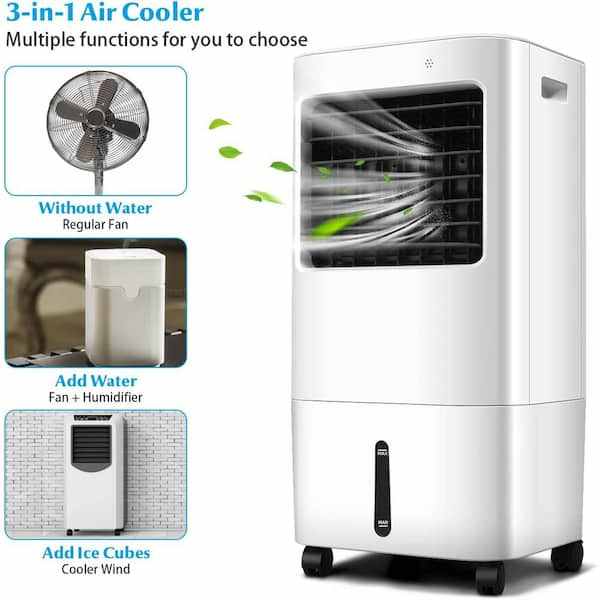
On the other hand, portable air conditioners without hoses work quite differently. Instead of compressing and expelling heat externally, these units mainly function as evaporative coolers or humidifiers. They rely on spraying fine water mist into the room using a fan and water pump mechanism. Sometimes, users add ice packs or ice cubes into designated compartments to enhance the cooling effect. The evaporated water absorbs heat from the air, creating a noticeable cooling and refreshing sensation — somewhat like a natural breeze on a hot day.
Because they do not have an exhaust hose, these hose-free portable coolers avoid the complications of installation, such as having to route a tube through a window or door. This design makes them especially practical for renters, people who move frequently, or those whose living spaces do not allow for traditional window ventilation setups.
How Portable Air Conditioners Without Hoses Perform
Unlike classic air conditioners, hose-free portable coolers do not actually lower the room temperature by extracting heat. Instead, they provide a cooling effect by increasing the humidity and cooling the skin through evaporative cooling. This process works quite well in dry climates or indoors with low humidity, where moisture added to the air can make the environment more comfortable and cooler to the senses.
Additionally, most units come with features common to modern appliances, including remote controls, timers, sleep modes, and some even offer WiFi connectivity for smart operation. Many devices double as fans, allowing for traditional airflow when cooling is not necessary.
Benefits of Portable Air Conditioners Without Hoses
- Portability and Ease of Use: These cooling units are lightweight and easy to move from room to room. Using them is generally as simple as filling the water tank, plugging them in, and turning them on.
- No Complex Installation: Without hoses or external vents to manage, these units require minimal setup, making them ideal for renters or temporary cooling needs.
- Additional Humidification: In dry environments, these devices also act as humidifiers, which can improve air quality and skin comfort during hot weather.
- Energy Efficiency: Many users report that these units consume less electricity than traditional portable air conditioners, helping save on energy bills.
- Modern Features: Despite their simple operation, many models offer advanced controls and air filtering systems that are easy to maintain.
Drawbacks to Consider
- Increased Humidity: Since these devices add moisture to the air, they are less suitable for humid climates. High humidity combined with increased moisture can make the room feel stuffy, uncomfortable, and could potentially aggravate heat-related discomfort.
- Limited Cooling Power: The cooling effect relies on evaporated water rather than actual temperature reduction. Consequently, in extreme summer heat, these units may not provide significant relief, particularly in larger rooms.
- Space Constraints: These devices are best suited for small to medium-sized areas (typically up to 10–15 square meters). Using them in larger spaces might result in insufficient cooling.
- Higher Initial Costs Compared to Fans: While cheaper than traditional air conditioners, hose-free portable units can be more expensive than basic fans.
Who Should Consider Portable Air Conditioners Without Hoses?
These units are a great fit for individuals who:
- Rent apartments or homes where installation of fixed air conditioners or window units isn’t allowed.
- Frequently change living or working spaces and need a cooling device that is easy to move.
- Live in areas with low humidity and want a simple, energy-efficient way to cool a small room.
- Prefer a dual-purpose appliance providing both cooling and humidification.
- Seek modern comfort with smart controls and air filtration that can improve room air quality.
However, people living in tropical or highly humid environments may want to look for alternatives, as adding moisture to already moist air will reduce comfort and cooling effectiveness.
Practical Tips for Using Portable Air Conditioners Without Hoses
- Use Ice Packs or Ice Water: Adding cold ice or special ice packs to the water tank can boost the cooling sensation.
- Keep the Water Tank Clean: Regularly clean the water reservoir to prevent bacteria or mold buildup.
- Optimize Room Ventilation: Although these units do not vent hot air outside, ensuring some fresh airflow in the room can help maintain comfort.
- Choose Appropriate Room Size: Verify the unit’s recommended coverage to ensure you select a model suitable for your space.
- Monitor Humidity Levels: Using a hygrometer can help you avoid excess humidity buildup.
Comparing Portable Air Conditioners With and Without Hoses
| Feature | Portable AC with Hose | Portable AC without Hose |
|---|---|---|
| Cooling Method | Uses refrigerant to cool and expel hot air | Uses evaporative cooling (water mist) |
| Installation | Requires venting hose (window or door) | No venting needed |
| Cooling Effect | Lowers actual room temperature | Creates cooling sensation by moisture |
| Suitable Climate | Works well in all climates | Best in dry climates |
| Mobility | Portable but limited by hose management | Highly portable and movable |
| Energy Consumption | Higher due to compressor | Lower, mostly runs fans and pumps |
| Humidity Impact | Reduces humidity | Increases humidity |
| Price | Generally higher | Lower than traditional portable AC |
Conclusion
Portable air conditioners without hoses offer a convenient and practical way to cool small spaces, especially for those unable to install fixed units or those who move frequently. These devices function primarily as evaporative coolers and humidifiers, using water mist to create a refreshing, cool feeling. They are portable, easy to use, and packed with modern features, making them appealing for many users.
However, their cooling is best suited for dry environments, and their effectiveness diminishes in humid or very hot conditions. Potential buyers should carefully consider the size of the area they wish to cool and the local climate before investing. When used appropriately, these units provide a flexible and energy-efficient alternative to traditional air conditioners.
Frequently Asked Questions (FAQs)
Q1: How do portable air conditioners without hoses cool the air if they don’t have an exhaust system?
These units cool by evaporative cooling. They spray a fine mist of water into the air, which absorbs heat as it evaporates, creating a cooling effect. Unlike traditional ACs, they don’t remove warm air from the room but rather lower the perceived temperature by increasing humidity and adding a refreshing breeze.
Q2: Are portable ACs without hoses suitable for humid climates?
No, they are not ideal for humid climates. Because they increase moisture in the air, using them where humidity is already high can make the room feel hotter and more uncomfortable due to excessive humidity buildup.
Q3: Can portable air conditioners without hoses cool large rooms effectively?
Generally, no. These devices are designed for small rooms or confined spaces, typically up to 10–15 square meters. Larger areas may not experience significant cooling with these units, as their method relies on moisture levels rather than temperature reduction.
Q4: What maintenance do portable air conditioners without hoses require?
Regular maintenance includes cleaning the water tank to prevent mold and bacteria buildup, refilling the water frequently, and occasionally checking or washing air filters if available. Keeping the unit clean ensures optimal performance and air quality.
Q5: How do these units compare energy-wise to traditional air conditioners?
They typically consume less electricity because they don’t use compressors or refrigerants. Instead, they run small pumps and fans, making them more energy-efficient but also less powerful in terms of actual cooling capacity.
By understanding the strengths and limitations of portable air conditioners without hoses, consumers can make informed decisions and select the best cooling solution tailored to their needs and environment.


Leave a Comment