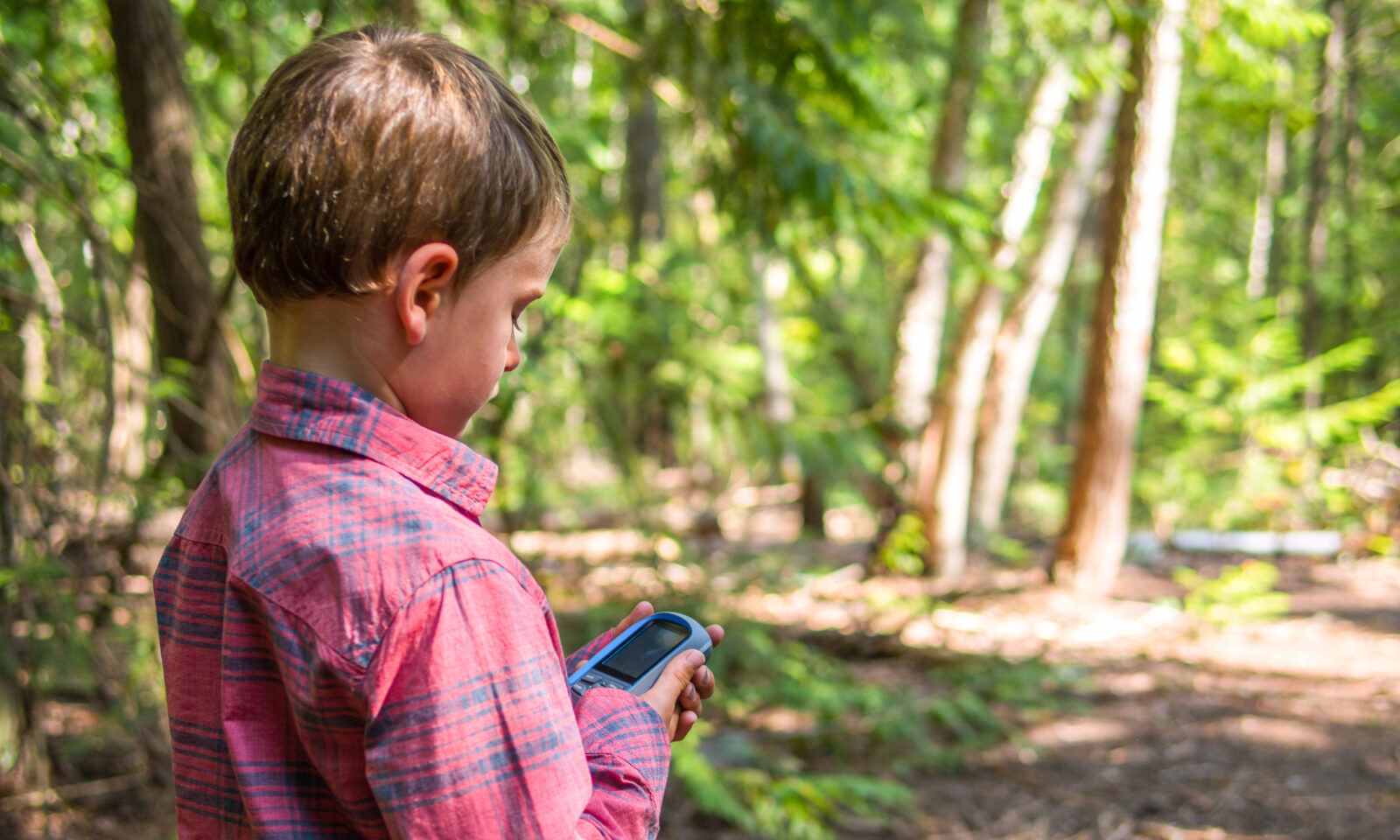

Ensuring your child’s safety as they head back to school or explore the neighborhood is a top priority. Thanks to advancements in technology, GPS trackers for kids are an excellent tool for parents who want peace of mind. These devices offer accurate location updates, communication features, and emergency alerts, making them invaluable for families on the go. This comprehensive guide will walk you through the best GPS trackers for kids in 2025, helping you choose the perfect match for your family’s needs.
Why Use a GPS Tracker for Kids?
GPS trackers designed for children provide real-time updates on their location straight to your smartphone. Whether your child is traveling to school, playing outside, or visiting a friend, these devices can confirm their location instantly. Unlike generic tracking devices like Apple AirTags or pet trackers that depend mainly on Bluetooth and have limited range, kid-specific GPS trackers provide broader coverage using cellular networks.
Moreover, many kid-friendly GPS trackers double as wearable gadgets—such as watches, wristbands, or clip-ons—that are comfortable, durable, and easy for children to use. These devices often include two-way communication so parents and kids can talk or send alerts quickly, providing an added layer of safety during emergencies.
How to Choose the Right GPS Tracker for Your Child
Selecting the right GPS tracker revolves around several key criteria:
1. Features:
Look for trackers offering more than just location updates. Features such as geofencing (alerts when your child leaves a designated zone), two-way calling, SOS emergency buttons, and route history provide enhanced safety and convenience.
2. Performance:
Accuracy is crucial. The tracker should offer near real-time location updates and function efficiently both indoors and outdoors, although GPS signals generally work better in open spaces.
3. Design and Durability:
Devices meant for kids need to be lightweight, comfortable, and capable of surviving the roughand tumble lifestyle of children. Waterproof and shock-resistant designs are big pluses.
4. Ease of Use:
The device and corresponding app should be user-friendly for both kids and parents. Setting up and managing the tracker shouldn’t be complicated.
5. Cost:
Most trackers have an upfront device cost plus a monthly subscription fee to maintain cellular service. Be sure to compare these expenses and check for contract commitments.
6. Security:
Ensure the tracker follows strong privacy protocols and that you change default passwords and usernames to keep your child’s data safe.
Top GPS Trackers for Kids in 2025
1. Jiobit: Best Overall GPS Tracker for Kids
Jiobit takes the lead as the best overall GPS tracker tailored specifically for children. Small and lightweight, it can be clipped to backpacks, belts, or worn on a necklace. Its rugged design is waterproof and shockproof, capable of surviving playground mishaps and rainy days without a hitch. It weighs only 18 grams and boasts a battery life that stretches to about five to seven days depending on use.
- Features include real-time GPS tracking and a unique Bluetooth connection to your caregiver’s phone to see who your child is with at any time.
- The app allows setting up “Trusted Places,” notifying you only when your child arrives or leaves locations like school or a friend’s house.
- Multiple caregivers can access the location information via the app, ensuring shared peace of mind.
- The Jiobit recently added an SOS button for emergencies.
- It costs roughly $149 to buy and requires a subscription of about $8 per month if you commit annually, or $17 without a contract.
While the Jiobit lacks a screen or direct voice communication features, its durability, precision, and user-friendly app make it a top choice for parents wanting to track young children securely.
2. Lil Tracker: Best GPS Watch for Kids
For families wanting a wristwatch-style GPS tracker, the Lil Tracker fits the bill with two-way calling and listening features. Weighing about 1.5 ounces with a brightly animated touch screen, it appeals to kids with an easy-to-wear silicon band and a friendly design.
- The device supports two-way calls, texts, and “one-way listen” mode, letting you hear audio surrounding your child’s location discreetly.
- Battery life lasts roughly 12 hours, so expect nightly charging.
- The system uses your own SIM card, offering flexibility with cellular providers, though this can add complexity.
- The companion app, despite being cluttered and containing some confusing elements, allows multiple geofence zones and route history.
- The 2G version is available for around $135; a 4G variant supports faster connectivity.
While the Lil Tracker offers great communication features for kids, the software experience could use improvement. Still, its call capabilities and security measures, including SOS functions, make it a prudent option for hands-on parental control.
3. Apple Watch SE (2022): Ideal for Older Kids
Although not strictly a GPS tracker, the Apple Watch SE (2022) is excellent for older kids and teens thanks to Apple’s Family Setup. It provides reliable GPS tracking along with full smartwatch functionality.
- Kids can send texts, make calls, and use GPS location tracking via cellular connectivity.
- The watch features emergency detection for crashes and SOS alerts.
- Battery life hovers around 18 hours but can be extended using a new low-power mode.
- The stylish design appeals to older children who might resist less “grown-up” GPS trackers.
- Cellular-enabled models start at $299, with no inherent differences in pricing by wearer’s age.
This smartwatch is perfect for parents wanting comprehensive communication plus location tracking in a single device suited for tweens and teens. However, it requires an iPhone for management, and while it offers many benefits, it’s not designed solely for GPS tracking.
4. Fitbit Ace LTE: A Fitness-Focused GPS Tracker
Fitbit Ace LTE merges fitness tracking with GPS functionality, targeting active kids.
- The device tracks location through the Fitbit app and supports calling, texting, and audio messaging.
- School Time Mode lets parents limit distractions while the child is in class.
- Rugged and water-resistant, it uses Gorilla Glass 3 for added protection.
- Battery life is around 16 hours requiring daily overnight charging.
- Priced around $229, it also requires a $9.99 monthly subscription for connectivity.
Fitbit’s kid-friendly interface features a Tamagotchi-style avatar and encourages physical activity by unlocking playtime after exercising. Its fitness and safety features combined make it a versatile choice for parents seeking both health tracking and location monitoring.
Additional GPS Trackers Worth Watching
Bark Watch: Focuses on communication with no distracting apps or games, offers location notifications, two-way calls, texts, and video calling. It includes an SOS feature and medical info storage but requires a monthly fee around $15 plus device cost.
Pinwheel Smartwatch: Stylish and durable with GPS and geofencing features, two-way calls including video, and remotely readable messages for parents. It costs approximately $159 plus $15/month subscription and suits both kids and adults with its sturdy design.
How We Test and Review GPS Trackers
We rigorously test GPS trackers by monitoring children in urban and suburban settings, checking signal accuracy indoors and outdoors, exploring app features, and assessing device durability and battery life. We also evaluate the reliability and convenience of features like geofencing, two-way communication, SOS alerts, and caregiver sharing options.
GPS Trackers and Other Family Members
While this guide focuses on children, many GPS trackers can be used for older adults needing extra care or even pets. Devices like Jiobit offer neutral designs suitable for all ages and provide pet attachments as well. Some companies offer senior-specific designs in more toned-down colors with elderly-friendly functions.
Summary
Choosing the right GPS tracker for your child means balancing durability, ease of use, communication capabilities, and cost. The Jiobit stands out as the best all-around tracker for young kids, offering durable design and caretaker-friendly features. For wristwatch lovers, Lil Tracker provides useful calling functions albeit with app quirks. Older kids and teens benefit most from the Apple Watch SE with its full smartwatch and tracking capabilities. Finally, Fitbit Ace LTE is an excellent choice for active kids needing both fitness and location tracking.
Safety, convenience, and peace of mind come standard with the right GPS tracker, making it easier for parents to let their kids explore the world confidently.
FAQs
Q: Can GPS trackers for kids send emergency alerts?
A: Yes, many kid-specific GPS trackers like Jiobit, Lil Tracker, and Bark Watch include SOS buttons. When pressed, these send immediate alerts to parents or caregivers, notifying them that the child needs help.
Q: Do GPS trackers require monthly fees?
A: Most GPS trackers need a subscription plan to maintain cellular connectivity. Prices generally range from $8 to $17 per month. Some devices, like Jiobit, reduce the monthly cost with annual contracts, while others, like Lil Tracker, require you to provide your own SIM card and plan.
Q: Are GPS trackers comfortable for children to wear all day?
A: Designed with kids in mind, these trackers are often lightweight and come in wearable formats like watches or clip-ons. Devices such as Jiobit are small and unobtrusive, while Lil Tracker and Fitbit Ace have soft collars or bands for daily comfort. However, battery life may require daily or weekly charging.
Q: Can multiple caregivers track a child’s location?
A: Yes, trackers like Jiobit allow you to add multiple caregivers to a “Care Team,” so everyone authorized can see location updates, receive alerts, and monitor trusted place arrivals and departures without changing device settings.
Q: Are GPS trackers suitable for children of all ages?
A: While most trackers target younger children, options like the Apple Watch SE cater to older kids and teens who want more functionality. It’s important to consider design, ease of use, and features appropriate for your child’s age and maturity.


Leave a Comment