
Introduction
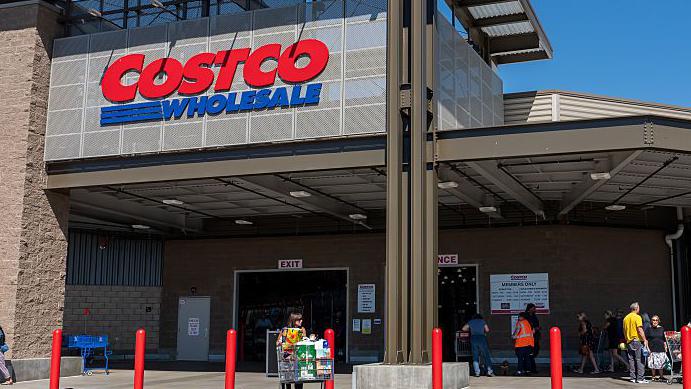
Costco has stepped into a high-stakes legal fight over tariffs implemented by the U.S. government. The retailer filed a petition with the U.S. Court of International Trade, arguing that tariffs imposed under the International Emergency Economic Powers Act (IEEPA) are unlawful and seeking relief from the revenue losses they believe the company has sustained. This case arrives amid ongoing debates about presidential authority, economic policy, and the real-world effects of tariffs on American businesses and consumers. In 2026, the outcome could reshape how multinationals navigate trade barriers and how courts scrutinize executive pricing powers. Below, we unpack what is happening, why it matters, and what’s at stake for Costco, its suppliers, and the broader economy.
Background: Tariffs, IEEPA, and the Legal Landscape
Tariffs are duties levied on imported goods, typically used to shield domestic industries, influence trade policy, or pressure foreign governments. The framework used to justify broad economic actions, including tariffs during emergencies, sits within a century-old legal construct. The IEEPA grants the president powers to respond to extraordinary threats affecting national security or the economy, provided a national emergency has been declared. Critics argue that while the statute authorizes certain measures, it does not explicitly authorize broad, ongoing tariff schemes or revenue collection without legislative oversight. This distinction is at the heart of Costco’s argument that tariff revenues were collected outside the proper constitutional channels and with insufficient statutory basis.
Historically, tariffs are levied after administrative processes, economic analyses, and often legislative buy-in. The tension centers on where presidential power ends and congressional power begins—especially on taxes and revenue collection, which the Constitution assigns to Congress. The case against tariffs under the IEEPA has implications beyond one retailer. If courts side with Costco, it could prompt reconsideration of current tariff strategies and the balance of emergency powers with statutory law. Conversely, a ruling upholding the government’s actions would reinforce executive flexibility in pursuing rapid economic responses during perceived threats.
In the current climate, tariffs aren’t only about borders and balance of trade. They influence supply chains, consumer prices, supplier viability, and corporate strategy. For Costco, whose brand includes aggressive pricing on staples and gas, the effect of tariff costs can affect how it shops for goods, negotiates with manufacturers, and sets prices in its U.S. stores. The legal dispute thus sits at the intersection of international trade policy, emergency powers, and everyday business operations.
Costco’s Tariff Lawsuit: What the Company Claims
Costco filed its lawsuit with the U.S. Court of International Trade, arguing that tariff collections under the IEEPA are unlawful because the president’s authority is limited to addressing extraordinary threats and declared emergencies. The core assertion is that the tariffs were justified under a philosophy of emergency power, but that the scope and application of those powers exceeded what the statute allows. In the formal filings, the company’s lawyers contend that IEEPA’s language does not authorize tariff-based revenue or long-term economic measures beyond the defined emergency context. They emphasize the need for clear congressional authorization for such revenue actions.
Costco has not publicly disclosed a specific damage figure in the court documents. During a May 2025 earnings call, the company’s Chief Financial Officer, Gary Millerchip, noted that the business would not automatically uplift prices on certain fresh foods—described as key staples—even if tariffs have tightened margins. This pointed to the broader impact tariffs have on product mix, pricing strategy, and consumer value propositions. The lawsuit argues that the cumulative tariffs have distorted cost structures and revenue, and that the government’s current approach misuses emergency powers to generate tariff income at the expense of retailers and shoppers alike.
Beyond Costco’s position, industry observers noted that tariff-related costs have rippled across sectors. For example, automakers in North America reportedly faced billions of dollars in added costs since tariff measures came into effect, affecting vehicle pricing, supplier contracts, and investment decisions. The Costco case reframes the debate by focusing on the rule of law and the lawful scope of executive power, rather than solely on tariff economics. The central question becomes whether the executive branch can sustain tariff collections without explicit statutory authorization and without explicit congressional support, particularly when those tariffs function as a revenue mechanism rather than as targeted policy levers.
The Legal Questions at Stake
The Costco lawsuit raises several intertwined questions that will shape future trade litigation and executive authority discussions. Here are the principal issues courts will examine:
- Constitutional Authorization: Does the executive branch have the authority to impose tariffs for revenue purposes under the IEEPA, or does this require explicit congressional authorization?
- Emergency Powers Scope: If tariffs are justified as a response to extraordinary threats, what qualifies as such a threat, and how broad can measures be while remaining lawful?
- Procedural Legality: Were the tariffs implemented and collected through lawful administrative steps, or were there procedural gaps that undermine the legality of the measures?
- Separation of Powers: How should courts balance executive convenience during a perceived crisis against the constitutional prerogatives of Congress?
- Remedies and Relief: If the court sides with Costco, what relief is appropriate? Reversal of tariffs, refunds, or other monetary remedies?
These questions will not just affect Costco but could influence how businesses manage regulatory risk and how governments design future trade instruments. Legal scholars expect a nuanced, multi-factor analysis that weighs national security concerns, economic disruption, and the statutory framework governing emergency powers.
Current Status and Timeline: Where Things Stand
The legal process in such cases moves deliberately, with complex briefing, potential motions, and, if the court grants it, discovery and expert testimony. The U.S. Court of International Trade specializes in cases involving tariff disputes, customs duties, and trade policies, making it a focal point for business interests affected by U.S. trade actions. As of late 2025, the dispute was shaping up for further judicial review, with key questions of statutory interpretation and executive authority under close scrutiny.
Meanwhile, the Supreme Court has heard related arguments on the broader legality of tariffs imposed under emergency powers. During oral arguments on November 5, 2025, justices pressed both sides on the central premise: whether a tariff constitutes a tax under constitutional law and whether the executive branch can implement economic measures without explicit congressional approval. Chief Justice John Roberts signaled a cautious approach, emphasizing that the power to tax, including tariffs, logically resides with Congress, not the presidency, a stance that aligns with long-standing constitutional principles about separation of powers.
Supporters of the government’s position stress the need for swift responses to evolving international threats, arguing that the executive branch should retain flexibility in times of crisis. Opponents contend that expanding emergency powers beyond narrow limits risks entrenching executive overreach and undermining constitutional checks. The Supreme Court had a deadline to issue a ruling by July 2026, and observers expect a decision that could clarify the boundaries between emergency authority and legislative prerogatives for years to come.
What This Means for Costco, Other Businesses, and Consumers
Tariff policy and its legal oversight have tangible consequences for companies and households. For Costco, a case challenging tariffs points to potential changes in how it sources products, negotiates with suppliers, and prices goods in-store. If courts limit or redirect tariff authority, Costco’s cost structure could shift, potentially stabilizing prices for staples or prompting renegotiations with vendors. On the flip side, a ruling upholding broader executive powers could reinforce tariff-based revenue mechanisms and increase price volatility across retail and manufacturing sectors.
From a broader perspective, the case underscores the ongoing costs of tariffs beyond the headline duties. Tariffs influence supply chain resilience, production planning, and investment in automation or near-shoring. They can alter the competitive landscape, affecting fields from electronics to automotive components. The latest data hints at mixed outcomes: some industries benefit from protected markets, while others bear higher input costs, delayed projects, or reduced consumer demand due to elevated prices. The Costco lawsuit tapers into this larger conversation, spotlighting how law, policy, and corporate strategy intersect in real time.
Industry-Wide Implications: Winners, Losers, and Strategic Shifts
Tariff enforcement and legal challenges reverberate across multiple sectors. Some firms may gain temporary protection against foreign competition; others may endure cost shocks that erode margins. The latest research indicates several notable trends:
- Cost structure changes: Tariffs raise the cost of imported raw materials and finished goods, pressuring margins for retailers and manufacturers alike.
- Supply chain reconfiguration: Firms may diversify suppliers, bolster domestic sourcing, or invest in regional manufacturing hubs to mitigate tariff exposure.
- Pricing and consumer impact: Higher costs often translate into higher prices for consumers, potentially dampening demand for discretionary items and influencing shopping patterns.
- Investment climates: Uncertainty around tariff policy can slow capital expenditures, R&D, and expansion plans until policy clarity emerges.
- Legal precedents: The outcomes of Costco’s case and related Supreme Court proceedings could redefine the permissible scope of emergency powers and how revenue from tariffs is justified in law.
Industry observers note that while Costco’s action is singular in its formal procedural posture, it embodies a broader corporate push to ensure that policy decisions are tethered to lawful processes and transparent economic impact analyses. In 2026, companies are watching not just the outcome of this suit but the implications for how future trade tools may be structured and challenged in court.
Different Perspectives: Pros, Cons, and Alternative Approaches
As with any high-stakes legal and policy dispute, diverse viewpoints shape the discussion. Here are some key perspectives:
- Pro-tariffs or pro-emergency powers: Advocates argue that strong presidential authority is essential for rapid response to threats, protect national security, and preserve domestic industries in a volatile global market.
- Critics of executive overreach: Opponents contend that tariff-based revenue under emergency powers risks constitutional overreach, undermines the separation of powers, and undermines predictable business planning.
- Fiscal and economic balance: Some analysts emphasize the need for clear statutory authorization and transparent cost-benefit analyses to justify any revenue-raising measures that affect consumers and businesses.
- Alternative policy tools: Advocates propose targeted measures, temporary exemptions, or multilateral arrangements with allies to achieve strategic goals without broad unilateral tariffs.
The latest discussion suggests a hybrid approach could emerge—one that preserves the flexibility to address emergencies while anchoring such powers in explicit statutory language and independent oversight. This would potentially reduce legal ambiguity and provide a more predictable environment for retailers like Costco and their suppliers.
Practical Takeaways for Businesses and Policy Makers
For executives, supply chain leaders, and policymakers, several actionable lessons emerge from this evolving case:
- Assess legal exposure: Companies should conduct internal risk reviews to gauge how tariff policies affect pricing, margins, and supplier contracts.
- Plan for volatility: Build contingency plans that account for sudden policy shifts, including alternate sourcing and dynamic pricing strategies.
- Engage in policy dialogue: Businesses can advocate for clearer statutory frameworks and transparent process when new tariffs are contemplated.
- Monitor legal developments: Stay informed about court rulings, as outcomes can influence long-term procurement and pricing strategies.
- Optimize communications: Transparently communicate with customers about price changes and the factors driving them, preserving trust and brand integrity.
Shifts in the legal interpretation of IEEPA and related trade powers will likely affect not only how Costco negotiates with suppliers but also how retailers across the United States manage cost pressures and market expectations in the coming years.
Temporal Context: What to Watch in 2026
Looking ahead, several developments are likely to shape the trajectory of this issue:
- Judicial rulings: The Supreme Court’s anticipated decision could redefine the scope of presidential emergency powers and the legitimacy of tariff revenue as a fiscal tool.
- Legislative responses: Lawmakers may consider new bills clarifying the use of tariffs, emergency powers, and the requisite legislative checks.
- Economic indicators: Watch inflation trends, consumer price indices, and industrial production to gauge tariff pass-through effects on households and firms.
- Corporate strategy shifts: Companies could accelerate near-shoring, regional sourcing, or supplier diversification to reduce tariff exposure.
- Public sentiment and policy debates: Media coverage and political debate around tariffs will influence policy momentum and stakeholder expectations.
In sum, 2026 is likely to be a pivotal year for how the United States balances national interests with market stability and the rule of law in the realm of trade policy.
Conclusion: A Defining Moment for Trade Law and Corporate Strategy
The Costco tariff case sits at a critical crossroads in U.S. trade law. It challenges the boundaries of presidential emergency powers under the IEEPA and spotlights the rigorous standards courts apply to questions of taxation, revenue generation, and executive authority. The outcome will resonate beyond Costco’s balance sheet, potentially altering risk assessments, supplier relationships, and pricing strategies for a wide array of companies that rely on imported goods. As the 2026 timeline unfolds, legal arguments, economic data, and policy debates will converge to determine whether tariffs remain a flexible policy instrument or become more tightly constrained by constitutional checks and statutory clarity.
Whatever the verdict, one message is clear: in today’s interconnected economy, legal decisions about tariffs translate into real-world consequences for businesses, workers, and consumers. The evolving narrative around Costco’s tariff lawsuit serves as a lens into how the United States will navigate the delicate balance between safeguarding national interests and maintaining predictable, competitive markets that serve households across the nation.
FAQ: Common Questions About Costco’s Tariff Lawsuit
- Q: What is the core legal claim in Costco’s lawsuit?
A: Costco argues that tariffs collected under the IEEPA are unlawful because the president’s authority, framed as an emergency measure, does not authorize tariff-based revenue without explicit congressional approval. - Q: Where was the lawsuit filed?
A: The case was brought in the U.S. Court of International Trade, which handles disputes related to tariffs, customs duties, and trade policy. - Q: What is IEEPA?
A: The International Emergency Economic Powers Act grants the president authority to act during declared national emergencies to respond to extraordinary threats to national security or the U.S. economy, but its application to tariffs is contested. - Q: How might a ruling affect consumers?
A: A ruling that limits tariff authority could stabilize or reduce input costs and retail prices, while a ruling affirming broad executive power could sustain higher tariff-related costs and price volatility. - Q: What did the CFO say about pricing in May 2025?
A: Gary Millerchip indicated that Costco would not raise prices on certain fresh staple items despite tariff-related pressure, underscoring the strategic importance of staples to its pricing strategy. - Q: What are the potential outcomes of the Supreme Court case on tariffs?
A: Possible outcomes range from narrowing executive tariff power and reinforcing congressional oversight to upholding broader emergency powers, each with profound implications for trade policy. - Q: How do tariffs impact industries beyond retailers?
A: Tariffs affect automakers, electronics manufacturers, and other import-reliant sectors, influencing costs, supply chains, and investment decisions. - Q: When might we expect a final ruling?
A: The Supreme Court was expected to issue a decision by July 2026, with lower court proceedings continuing in the interim.
Leave a Comment