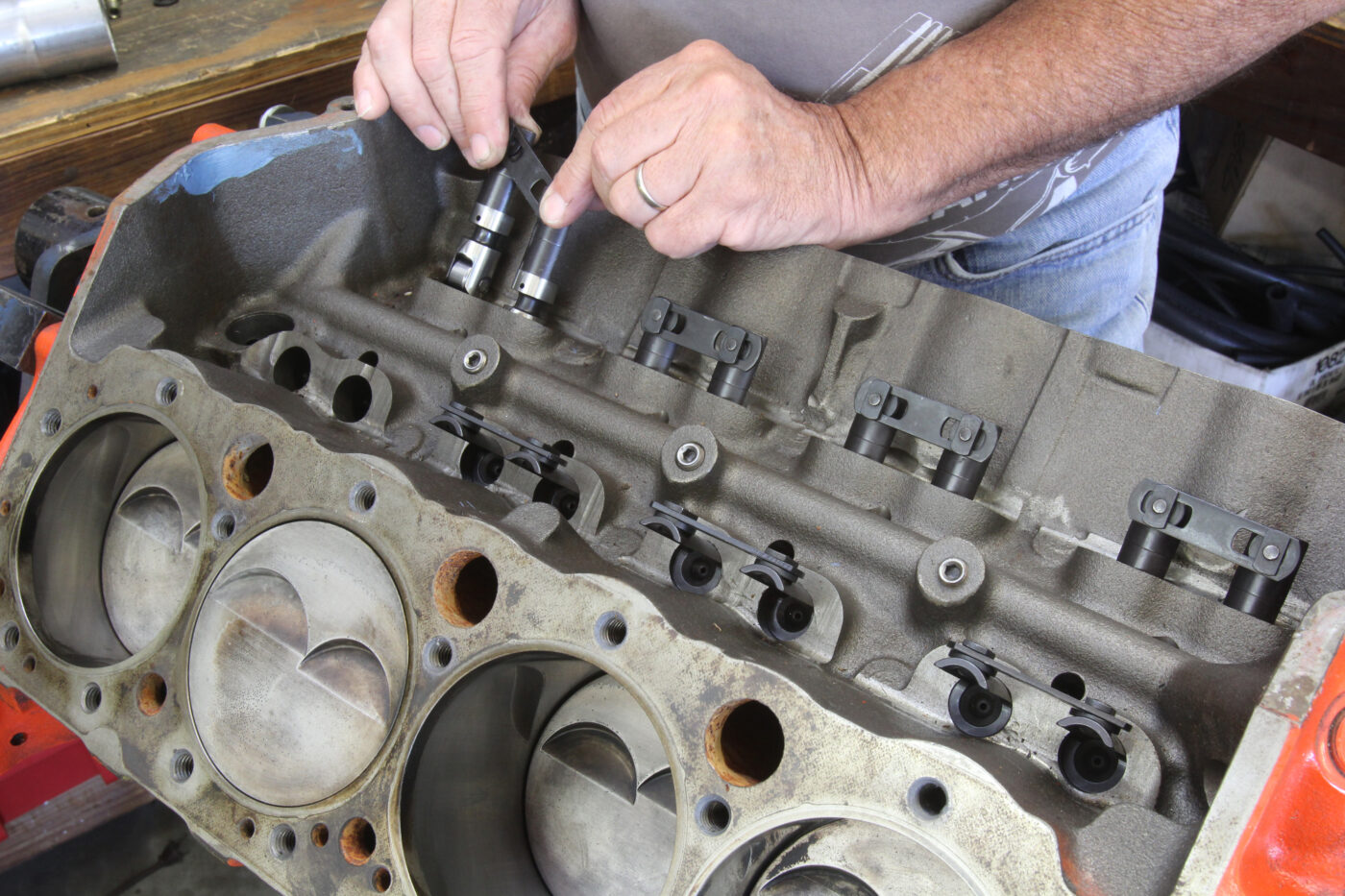

Automotive engines are intricate machines composed of numerous components, each subjected to extreme conditions. Among these, the HEMI engine, known for its power and performance, faces a significant issue: lifter failures. This article delves into the reasons behind the susceptibility of HEMI lifters to failure, explores preventive measures, and provides insights into maintaining engine health.
What Are HEMI Lifters and Their Role?
HEMI lifters are crucial components in the HEMI engine’s valvetrain system. They play a vital role in controlling the opening and closing of the engine’s valves, which is essential for optimal engine performance. The lifters operate by translating the motion from the camshaft to the pushrods, allowing the engine to breathe efficiently. However, their design and operation can lead to specific vulnerabilities.
Understanding the Mechanics of HEMI Lifters
HEMI engines utilize a unique design that includes a hemispherical combustion chamber, which enhances airflow and combustion efficiency. The lifters in these engines are designed to work with the Multi-Displacement System (MDS), which deactivates certain cylinders under light load conditions to improve fuel efficiency. This system relies heavily on oil pressure to function correctly, making lubrication a critical factor in lifter performance.
Why Are HEMI Lifters Prone to Failure?
Several factors contribute to the high failure rate of HEMI lifters, primarily revolving around lubrication issues, design flaws, and maintenance practices. Understanding these factors can help owners take proactive steps to mitigate risks.
Insufficient Lubrication
One of the primary reasons for lifter failure in HEMI engines is inadequate lubrication. The MDS system, while beneficial for fuel efficiency, can lead to reduced oil flow to the lifters when not in operation. This lack of lubrication can cause roller bearing wear, ultimately leading to lifter failure. According to various technical analyses, many lifter failures are linked to this insufficient lubrication.
Design Flaws in the Bearing System
Another contributing factor is the design of the bearing system itself. Some HEMI engines, particularly those manufactured after 2009, have been reported to have smaller roller bearings compared to earlier models. This change may have compromised the lubrication efficiency, increasing the likelihood of lifter failure. Additionally, the angle at which the lifters are positioned can hinder oil flow to the camshaft, exacerbating lubrication issues.
Impact of Variable Valve Timing (VVT)
Engines equipped with Variable Valve Timing (VVT) systems, particularly post-2008 HEMIs, may experience additional complications. VVT can lead to inconsistent oil pressure, especially during idling when the MDS is inactive. This inconsistency can further degrade oil quality and pressure, leading to accelerated wear on lifters.
General Maintenance Neglect
Neglecting regular maintenance can significantly increase the risk of lifter failure. Factors such as infrequent oil changes, using the wrong oil viscosity, and failing to monitor engine hours can contribute to the deterioration of lifters. Over time, metal fatigue can set in, making lifters more susceptible to failure.
Preventive Measures to Protect HEMI Lifters
While lifter failures can be concerning, there are several strategies that HEMI owners can implement to reduce the risk of these issues.
Regular Maintenance and Oil Changes
Maintaining a strict schedule for oil changes is crucial. Here are some tips:
- Use the Correct Oil Type: Always refer to the manufacturer’s specifications for the recommended oil type and viscosity.
- Monitor Oil Levels: Regularly check oil levels and top off as necessary to ensure optimal lubrication.
- Adjust Change Intervals: If your vehicle experiences excessive idling, consider shortening the oil change intervals to counteract potential wear.
Consider MDS Modifications
Some HEMI owners have found success in modifying their MDS systems. Options include:
- MDS Delete Plugs: These plugs can help maintain constant oil flow to the lifter bores, reducing the risk of lubrication issues.
- Replacing MDS Lifters: Upgrading to standard lifters or newer models, such as the 8784AD NON-MDS lifters from the Hellcat, can provide larger bearings and improved durability.
Upgrade Components
Upgrading specific components can also enhance the overall performance and longevity of the engine:
- Lifter Roller Needle Bearings: Upgrading these bearings can decrease material wear and improve lubrication efficiency.
- Camshaft Surface Improvements: Enhancing the camshaft surface can reduce friction and wear, contributing to better lifter performance.
Common Questions About HEMI Lifter Failures
What are the signs of HEMI lifter failure?
Common signs include engine noise, ticking sounds, decreased performance, and warning lights on the dashboard. If you notice any of these symptoms, it’s essential to have your engine inspected promptly.
How often should I change the oil in my HEMI engine?
Typically, it’s recommended to change the oil every 5,000 to 7,500 miles, but this can vary based on driving conditions and oil type. If your vehicle experiences a lot of idling, consider changing it more frequently.
Can I prevent lifter failure entirely?
While it may not be possible to eliminate the risk of lifter failure completely, following a rigorous maintenance schedule, using high-quality oil, and considering modifications can significantly reduce the likelihood of issues.
Is it worth upgrading to NON-MDS lifters?
Upgrading to NON-MDS lifters can provide benefits such as improved lubrication and durability. Many HEMI owners report positive results after making this change, especially in terms of engine reliability.
Conclusion
HEMI lifters are essential for the optimal functioning of HEMI engines, but they are prone to failure due to various factors, including lubrication issues and design flaws. By understanding these risks and implementing preventive measures, HEMI owners can significantly enhance the longevity and performance of their engines. Regular maintenance, thoughtful modifications, and component upgrades are key strategies to keep lifter failures at bay, ensuring that your HEMI continues to deliver the power and performance you expect.
Frequently Asked Questions (FAQ)
What causes HEMI lifters to fail?
HEMI lifters often fail due to insufficient lubrication, design flaws in the bearing system, and neglect of regular maintenance.
How can I tell if my HEMI lifters are failing?
Signs of failing lifters include unusual engine noises, reduced performance, and warning lights on the dashboard.
What maintenance practices can help prevent lifter failure?
Regular oil changes, using the correct oil type, and monitoring engine hours can help prevent lifter failure.
Are there benefits to modifying the MDS system?
Yes, modifications such as installing MDS delete plugs can improve oil flow to the lifters, potentially reducing failure rates.
Should I consider upgrading my lifters?
Upgrading to NON-MDS lifters or improving lifter roller needle bearings can enhance durability and reduce wear, making it a worthwhile consideration for many HEMI owners.


Leave a Comment