
Introduction: Navigating the Cost of Power Tool Batteries in 2026
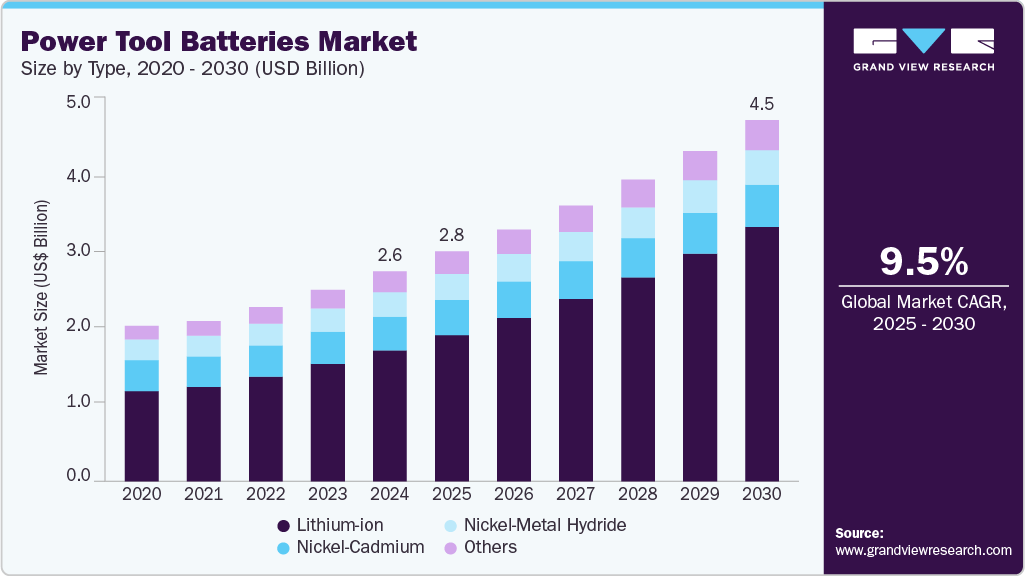
In today’s competitive power tools market, choosing the right batteries isn’t just about performance—cost-efficiency matters just as much. Whether you’re a DIY enthusiast building your toolkit or a professional seeking economical options, understanding which major power tool brands offer the most affordable batteries is crucial. As of 2026, the landscape continues to evolve, with some brands prioritizing innovation, while others focus on budget-friendly options that don’t compromise basics. This guide explores the leading brands, compares battery prices, and offers insights into how consumers can maximize value, especially when considering long-term investments in power tools and accessories.
Understanding the Power Tool Battery Market in 2026
The importance of affordable batteries for power tools
Batteries are arguably the most critical component of cordless power tools. They directly influence the overall cost of owning and maintaining a set of power tools. High-quality batteries ensure longer run times, faster charging, and durability; however, their price can vary widely across brands and models. In 2026, consumers seek options that balance initial affordability with dependable performance to prevent ongoing replacement costs. Moreover, with advances in technology and manufacturing processes, some brands are successfully reducing battery prices through innovative strategies.
What makes a battery affordable?
- Price per unit: Cost of individual batteries in multi-pack deals.
- Compatibility: Ease of swapping batteries among tools within a platform.
- Longevity and performance: Durability and number of charge cycles before replacement.
- Availability: How widely batteries are stocked and sold across major retailers.
- Brand reputation: Trustworthiness and user satisfaction.
Analyzing these factors helps consumers understand the real value behind seemingly low-cost batteries and guides buying decisions towards long-term savings.
Major Power Tool Brands and Their Battery Pricing in 2026
Ryobi: The Front-Runner in Budget-Friendly Power Tool Batteries
In 2026, Ryobi continues to stand out as the most economical brand for power tool batteries, especially for homeowners and casual DIYers. Known for their innovative approach to affordability, Ryobi’s batteries frequently lead in price-per-watt comparisons. For instance, the popular Ryobi One+ 18V 4.0 Ah 2-pack typically retails around $99 at major suppliers like Home Depot, making each battery less than $50—a significant savings compared to competitors.
What sets Ryobi apart is their strategic use of existing battery technology combined with cost-effective manufacturing practices. Their parent company, Techtronic Industries (TTI), has optimized design choices like plastic components over metal and leveraging proven tech to keep prices low. This allows Ryobi to offer “good enough” power and battery life at a fraction of the cost of premium brands.
- Typical price range: $50–$100 for complete packs.
- Best for: Homeowners, DIY enthusiasts, light to moderate DIY projects.
- Advantages: Highly affordable, widely available, compatible with a broad range of tools.
- Disadvantages: Slightly shorter lifespan in high-demand applications, lower durability under professional use.
With targeted marketing and a focus on affordability, Ryobi’s batteries make it easier for users to invest in multiple tools without breaking the bank.
Premium Brands: A Priceier but High-Performance Benchmark
In contrast, DeWalt, Milwaukee, and Makita continue to set standards for high-performance batteries, often costing between $109 and $169 per unit. These brands focus on advanced battery chemistry, longer life cycles, and faster charging, making their batteries more suitable for professional users or heavy-duty applications.
- DeWalt: 20V Max 5.0 Ah batteries typically retail around $219 for a 2-pack.
- Milwaukee: M18 18V 5.0 Ah batteries are usually priced at approximately $169 each.
- Makita: 18V LXT 5.0 Ah batteries hover around $157 per piece.
Although these prices are higher, the quality, performance, and longevity justify the investment for professionals or serious DIYers tackling frequent or intensive tasks.
Other Notable Brands and Price Comparisons
Brands like Bosch and Craftsman also offer competitive pricing, often found at <$130 per 4.0–5.0 Ah pack in 2026. For example, Bosch’s 18V 4.0 Ah batteries are typically priced around $129, while Craftsman’s 20V batteries hover near $119. These brands cater to value-conscious consumers seeking dependable tools without premium costs.
Conversely, store brands such as Harbor Freight’s Bauer or Hercules are significantly more affordable, often priced below $50 per battery. However, their compatibility across different tool platforms is limited, and their performance may not match that of national brands.
Store-Brand vs. Major-National Brands: Pros and Cons
- Store-brand batteries: Lower prices, but potentially shorter lifespan and limited compatibility.
- Major brands: Higher initial investment but better performance, compatibility, and longevity.
How Price Affects Buying Decisions and Long-Term Value
While it might seem wise to opt for the cheapest batteries, understanding total cost of ownership is crucial. Investing in more affordable options like Ryobi can be advantageous for casual users, especially if you need multiple batteries for varied tasks. However, for intensive use or professional applications, high-quality batteries with longer cycle life—despite their higher price—can save money over time by reducing replacements and downtime.
Statistics reveal that premium batteries often last 2–3 times longer under heavy use, which diminishes the cost gap over several years. Meanwhile, consumer reviews consistently rate Ryobi batteries highly for home projects but note reduced performance under demanding professional conditions.
Summary and Final Recommendations for Buyers in 2026
In conclusion, Ryobi remains the most budget-friendly major power tool battery line in 2026, offering significant savings especially when purchasing multi-packs during sales. For those seeking medium to high-end performance, brands like DeWalt, Milwaukee, and Makita may justify their higher prices with superior durability and power output.
Pros of choosing affordable batteries like Ryobi:
- Lower upfront costs allowing for building complete toolkits affordably.
- Good compatibility within their platform, supporting a variety of household projects.
- Availability of frequent discounts and promotional deals.
Cons include potentially reduced lifespan and performance in demanding jobs. Therefore, understanding your use case is key when selecting power tool batteries.
FAQs: Common Questions About Power Tool Battery Costs in 2026
- Which power tool battery brand offers the best value for casual DIYers?
Answer: Ryobi is currently regarded as the most affordable power tool battery brand for casual DIYers, offering cost-effective options that suit occasional projects. - Are expensive batteries worth the extra cost for professional use?
Answer: Yes, premium batteries like those from Milwaukee or DeWalt provide longer lifespan, faster charging, and higher performance, making them a worthwhile investment for frequent or heavy-duty tasks. - Can I use batteries from one brand with tools from another?
Answer: Generally no, unless the tools are designed to be compatible with multiple battery brands or use an adapter. Most brands maintain proprietary battery systems. - How do I determine if a battery offers good long-term value?
Answer: Consider the cost per charge cycle, durability reviews, warranty terms, and whether the battery is compatible with multiple tools for versatile use. - Will battery prices change significantly after 2026?
Answer: It is likely, as technological innovations and market competition tend to push prices downward over time, especially for budget-friendly brands like Ryobi.
In 2026, understanding the landscape of power tool batteries enables smarter purchasing decisions, balancing immediate costs with long-term performance. Whether prioritizing affordability or durability, the key is recognizing your specific needs and selecting the right brand accordingly, ensuring that your investment maximizes value across all your projects.
Leave a Comment