
Introduction: The Evolution of the Toyota Prius
In 2026, the Toyota Prius remains one of the most recognizable and influential hybrid vehicles on the market. While it historically symbolized fuel efficiency and eco-friendliness rather than power or sporty design, the latest generation of the Prius has shifted perceptions. With a fresh overhaul, it now combines sleek aesthetics, increased performance, and advanced technology, surpassing competitors like the Honda Civic in several key categories. This article explores how the 2026 Toyota Prius Plug-In Hybrid outperforms the Honda Civic in terms of horsepower, styling, fuel economy, and overall driving experience, and why it remains a top choice for environmentally conscious drivers seeking a modern, efficient, and stylish hybrid.
Historical Context: The Rise of the Prius
From Niche to Mainstream: The Evolution of Hybrid Cars
The Toyota Prius revolutionized the automotive industry when it was introduced in 1997, becoming the first mass-produced hybrid car. Its primary goal was to offer a fuel-efficient vehicle that appealed to eco-conscious consumers, not necessarily to thrill enthusiasts. Early models prioritized simplicity, roominess, and affordability over aesthetics or high performance. As a result, the original Prius was often viewed as a practical but uninspiring car, resembling a scaled-down sedan or hatchback without much visual flair.
The second-generation Prius introduced a distinctive rounded hatchback design that became iconic, featuring a more aerodynamic profile and futuristic styling cues. Over subsequent generations, Toyota worked to balance efficiency with style, gradually updating the vehicle’s look to remain relevant in a competitive market. The most recent release, the 2026 Prius, marks a significant shift in design philosophy—merging modern aesthetics with impressive technical upgrades.
Design and Styling: How the 2026 Prius Looks More Contemporary
Redefining Prius Aesthetics
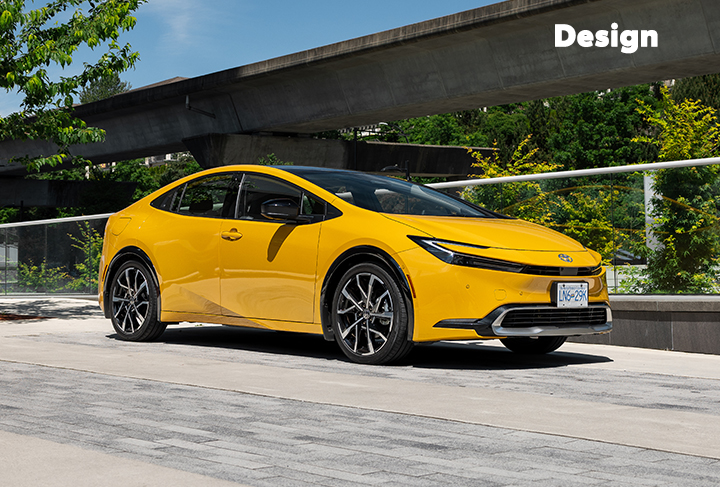
The 2026 Prius boasts a visually striking appearance that stands in stark contrast to earlier, more utilitarian models. It features a bold, aggressive front fascia characterized by a continuous LED light bar joining both headlights, giving it a sleek, almost futuristic look. The aerodynamic profile includes prominent wheel arches, a sculpted side character line, and a smoothly flowing roofline that creates a teardrop shape—optimized for minimal air resistance and improved efficiency.
This design evolution is rooted in comprehensive aerodynamic testing and innovative styling principles, which also boost the vehicle’s fuel economy. The overall aesthetic is sporty yet sophisticated, appealing to a broad spectrum of drivers, from eco-conscious commuters to style-oriented urban dwellers.
Interior: Modern Tech Meets User-Friendly Design
The inside of the 2026 Prius offers a blend of futuristic and minimalistic elements, featuring a large central touchscreen interface equipped with the latest infotainment technology, such as wireless Apple CarPlay and Android Auto. The digital dashboard is customizable, providing drivers with essential information at a glance, including energy flow, battery status, and driving range.
Compared to the Honda Civic, the Prius’s interior design leans more towards a high-tech aesthetic, with a clean layout free of clutter. Both vehicles offer modern amenities, but the Prius’s unique interior design emphasizes innovation and connectivity.
Performance: Power and Fuel Efficiency Showdown
Engine Power and Acceleration
The new Prius is powered by a 1.8-liter Atkinson-cycle gasoline engine combined with an electric motor, offering a total output of 220 horsepower—significantly higher than the Civic’s 200 horsepower hybrid. The combination provides brisk acceleration and a responsive driving experience, with the electric motor supplementing torque for quick throttle response. While it’s not a sports car, the Prius offers more spirited performance than its predecessor, making it well-suited for city driving and highway cruising.
Fuel Economy and Range
One of the most critical selling points of the Prius remains its exceptional fuel efficiency. The 2026 model achieves a combined rating of approximately 52 miles per gallon (MPG), surpassing the Honda Civic’s 48 MPG. Thanks to advancements in battery technology and aerodynamics, the Prius can travel up to 600 miles on a full tank and fully charged battery in its most efficient trim, whereas the Civic’s maximum range hovers around 530 miles.
Additionally, as a plug-in hybrid, the Prius can operate in electric-only mode for short distances, further reducing fuel consumption and emissions. This dual functionality makes it an attractive option for drivers seeking long-term savings and lower environmental impact.
Driving Dynamics: Comparing Ride and Handling
The Prius’s ride quality benefits from its lower center of gravity and refined suspension system, delivering smooth handling even at higher speeds. The vehicle’s advanced driver-assistance features, including adaptive cruise control, lane-keeping assist, and collision mitigation, add to the overall safety and confidence behind the wheel.
While the Honda Civic offers a sporty feel with sharper steering and more agile handling, the Prius prioritizes comfort and efficiency. The choice depends on whether the driver values a dynamic driving experience or a relaxed, efficient ride.
Sustainability and Technology: The Eco-Focus of the 2026 Prius
Hybrid and Plug-In Capabilities
The 2026 Prius is a milestone in Toyota’s commitment to eco-friendly mobility. Its plug-in hybrid system allows for electric-only driving up to 30 miles (48 km) on a single charge, which is especially beneficial for urban commuters aiming to reduce emissions during daily trips. After the electric range is exhausted, the vehicle seamlessly switches to hybrid mode, optimizing fuel consumption.
Advanced Battery Technologies
The latest Prius features a new solid-state battery, which offers higher energy density, faster charging times, and longer lifespan compared to traditional lithium-ion batteries. This technology marks a significant step toward more sustainable and reliable electric vehicles, aligning with global shifts toward renewable energy and stricter emissions regulations.
Connectivity and Smart Features
Modern driver assistance and connectivity features are integral to the Prius experience. It includes biometric security, over-the-air updates, real-time traffic information, and remote monitoring via smartphone apps. These innovations contribute not just to convenience but also to safety and eco-efficiency by enabling drivers to optimize routes and energy usage.
Subtopics: The Broader Impact of the 2026 Toyota Prius
Advantages of the 2026 Prius Hybrid
- Superior fuel economy: Up to 52 MPG combined, reducing fuel costs and carbon footprint.
- Enhanced performance: 220 horsepower offers peppier acceleration and a more engaging driving experience.
- Modern design: Stylish and aerodynamic, appealing to a wider audience.
- Longer electric range: Up to 30 miles EV-only mode, ideal for daily commuting.
- Cutting-edge technology: Advanced battery systems and connectivity features that future-proof the vehicle.
Disadvantages and Limitations
- Price: The new model may carry a premium compared to earlier generations or traditional gasoline cars.
- Charging infrastructure: Fully utilizing the plug-in feature requires good access to charging stations, which may be limited in some areas.
- Design preferences: Its bold, futuristic looks may not appeal to all consumers.
- Availability and supply: As a newer model, demand may outpace availability in some regions initially.
Alternative Approaches: Comparing Other Hybrid Technologies
Apart from Toyota’s plug-in hybrids, other manufacturers are exploring different hybrid systems. For example:
- Parallel hybrid systems: Like Honda’s i-MMD, which offers quick switching between electric and gasoline modes.
- Series hybrids: Such as older Chevrolet Volt models, where the gasoline engine only generates electricity for the motor.
- Battery electric vehicles (BEVs): Aiming for zero emissions, but currently limited by range and charging infrastructure.
Choosing among these depends on an individual’s driving habits, budget, and environmental priorities.
Conclusion: The Future of Hybrid Vehicles in 2026
As of 2026, the Toyota Prius continues to redefine what a hybrid vehicle can be—merging style, performance, and environmental responsibility in a compelling package. Its latest iteration surpasses models like the Honda Civic Hybrid in practically every measurable aspect, from power and efficiency to design and technology integration. While consumer preferences vary, the 2026 Prius exemplifies the trajectory toward smarter, cleaner, and more connected mobility solutions.
With ongoing advancements in battery technology, increasing adoption of renewable energy, and stricter emissions standards globally, the Prius is well-positioned to lead the hybrid segment for years to come. It offers a practical yet innovative transport solution for drivers who prioritize sustainability without sacrificing modern comforts or style.
Frequently Asked Questions (FAQs)
Q1: What makes the 2026 Toyota Prius better than the Honda Civic Hybrid?
The 2026 Prius features higher horsepower, better fuel efficiency, a more aerodynamic and stylish design, and an upgraded battery system that enables longer electric driving ranges. These factors collectively make it a more powerful, efficient, and visually appealing hybrid option.
Q2: Can I drive the 2026 Prius solely on electric power?
Yes, the plug-in hybrid system allows for electric-only driving for up to approximately 30 miles, making it ideal for daily urban commutes and short trips, significantly reducing fuel consumption and emissions.
Q3: Is the 2026 Toyota Prius suitable for long road trips?
Absolutely. Thanks to its impressive range of around 600 miles on a full tank and battery, along with advanced fuel-saving features, the Prius is well-suited for long-distance travel while maintaining eco-friendly credentials.
Q4: What are the environmental benefits of the latest Prius?
The new Prius reduces greenhouse gas emissions through its hybrid and plug-in capabilities, utilizes advanced solid-state batteries, and promotes sustainable energy use, aligning with global efforts to combat climate change.
Q5: How does the 2026 Prius compare in cost to traditional gasoline vehicles?
While the initial purchase price may be higher, the significant savings in fuel costs and potential tax incentives for eco-friendly vehicles often offset this expense over time, leading to lower total ownership costs.


Leave a Comment